Why Pest Control Is Essential in Manufacturing Facilities
Manufacturing plants present challenges that aren't always found in other commercial properties. Large buildings may have multiple loading docks, extensive utility systems, continuously operating equipment, and storage areas receiving frequent shipments.
For manufacturing managers, pest activity can create several problems:
- Product contamination: Rodents, cockroaches, and other pests can contaminate raw materials, packaging, and finished products.
- Equipment damage: Rodents may chew electrical wiring and other materials, potentially causing repairs or disruptions.
- Quality control concerns: Evidence of pests near production or storage areas may require additional inspections and decisions about affected materials.
- Audit findings: Pest activity or inadequate documentation can create problems during customer, regulatory, or third-party inspections.
Even facilities that manufacture non-food products need to take these risks seriously. Pest activity can affect packaging, inventory, equipment, and the working environment, regardless of what's being produced.
Where Are Manufacturing Plants Most Vulnerable to Pests?
Certain areas of industrial facilities are particularly vulnerable because of how the building operates.
Loading Docks and Receiving Areas
Loading docks are important areas to monitor. Doors open repeatedly as trucks arrive and depart, sometimes remaining open while materials are unloaded.
Rodents and insects can enter through gaps around doors, damaged weather stripping, or other structural openings. Pests may also arrive with incoming shipments, pallets, or packaging before moving into storage and production areas.
Production Equipment and Utility Areas
Spaces beneath machinery, behind equipment, and around utility lines can provide shelter for pests. Moisture from plumbing, drains, or condensation may also attract certain insects.
These locations require careful monitoring, especially when inspecting equipment involves coordinating with the facility's operations team.
Storage and Packaging Areas
Raw materials, packaging supplies, and finished products may remain in storage for extended periods.
Rodents can damage cardboard and plastic packaging, while insects may go unnoticed around stored goods or shelving. Break rooms, waste collection areas, and exterior dumpsters can also contribute to pest pressure throughout the facility.
Rodents Are a Major Concern for Industrial Plants
Rodents deserve particular attention because they can move through industrial buildings unnoticed, especially in areas with limited foot traffic.
Mice and rats may enter through loading doors, utility openings, or structural gaps. Once inside, they can travel along walls, behind equipment, and through storage areas, creating sanitation concerns and potentially damaging packaging or electrical systems.
Rodent activity becomes especially relevant as temperatures cool.
During October 2026's Rodent Awareness Week, the National Pest Management Association emphasized the importance of recognizing rodent activity in commercial facilities. Warning signs highlighted in industry coverage of the association's recommendations included droppings, gnaw marks, nesting materials, tracks, and unusual noises.
For manufacturing facilities across Metro Atlanta and Upstate South Carolina, cooler weather can encourage rodents to seek shelter indoors. However, facilities offering food sources, moisture, and undisturbed shelter can experience rodent activity year-round.
Finding droppings near production equipment or incoming materials should prompt an investigation, even when no rodents have been seen.
If your facility has recurring rodent activity or other pest concerns, Bizzy Bee Exterminators can evaluate the problem and recommend an industrial pest management program suited to your operations.
Other Pests That Can Affect Manufacturing Operations
Although rodents are a significant concern, they aren't the only pests industrial facilities encounter.
Cockroaches may be found near drains, moisture sources, break rooms, and utility areas. Their presence can create sanitation concerns, particularly in facilities handling food or sensitive products.
Flying insects can enter through open doors or become active around waste handling areas, moisture, and drains. Depending on the manufacturing operation, they may also create contamination concerns.
Occasional invaders, including millipedes and other insects entering from surrounding outdoor areas, can become a nuisance. Although they may not present the same risks as rodents or cockroaches, their presence inside production areas still requires attention.
Identifying the pest and understanding why it's present are important steps in determining the appropriate response.
What Should an Industrial Pest Control Program Include?
An effective manufacturing pest control program must account for the facility's layout, production processes, pest risks, and operational requirements.
A plant handling food ingredients may have different concerns than one producing plastics, textiles, or industrial equipment.
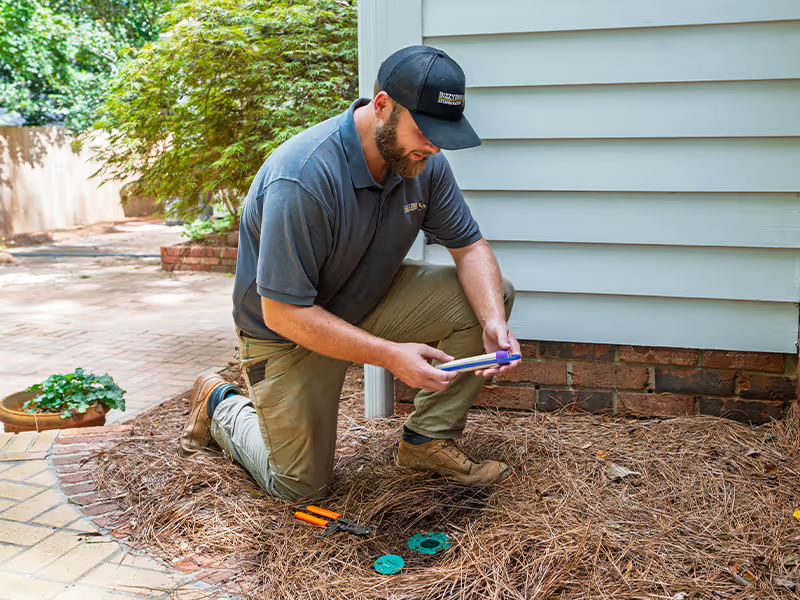
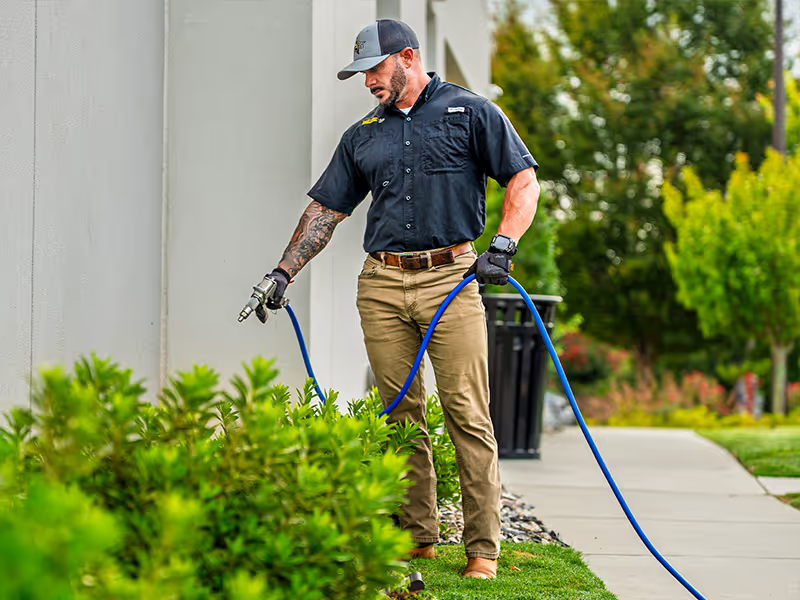
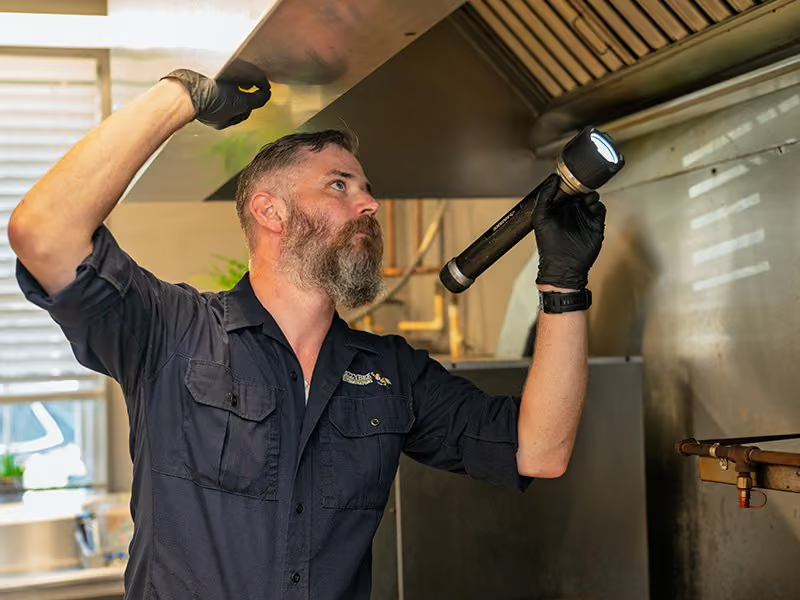
Professional industrial pest management typically involves inspections, monitoring devices, targeted treatments, and ongoing evaluation.
Integrated Pest Management (IPM) is particularly valuable because it emphasizes identifying pest activity, addressing contributing conditions, and using appropriate control methods rather than relying on broad pesticide applications.
Monitoring and treatment locations must also account for production equipment, sensitive materials, and employee activity.
Employees play an important role in identifying problems early. If someone discovers pests or evidence of activity near a production line, they should promptly notify their supervisor or quality assurance team. Recording where and when the activity occurred can help the pest management provider investigate. Potentially affected materials should be handled according to facility procedures, and a pest management professional should evaluate the activity.
When structural openings, moisture problems, or sanitation concerns contribute to pest activity, the provider should communicate those findings so the facility's maintenance or operations team can address them.
The goal is to identify problems early and reduce the likelihood of pest activity interfering with manufacturing operations.
Pest Control Documentation and Manufacturing Audits
For facilities subject to customer inspections, food safety requirements, or third-party audits, pest management documentation can be just as important as the treatments themselves.
Auditors may review inspection records, monitoring information, corrective actions, and evidence that identified problems have been addressed.
Depending on the manufacturing operation, relevant programs, standards, and auditing organizations may include:
- Global Food Safety Initiative (GFSI)-recognized certification programs
- BRCGS Global Standards, formerly known as BRC Global Standards
- AIB International's Consolidated Standards
- NSF auditing and certification services
These are not interchangeable requirements. For example, GFSI recognizes food safety certification programs but does not directly certify individual facilities. Manufacturers must follow the standards relevant to their products, customers, and operations.
A documented pest management program helps facility managers and quality assurance personnel track inspections, identified activity, and corrective actions while maintaining records for future audits.
Experienced Industrial Pest Control in Metro Atlanta and Upstate South Carolina
Manufacturing facilities need a pest control provider that understands how pest management fits into daily operations.
Family-owned Bizzy Bee Exterminators has been in business since 1972 and today serves manufacturing and industrial operations throughout our service areas in Georgia and Upstate South Carolina.
Our commercial experience includes companies such as Astro Plastics, Beaver Manufacturing, and Bridgestone Golf, as well as other businesses with specialized operational needs.
We understand that pest management in manufacturing environments must account for production schedules, sensitive work areas, facility requirements, and accurate service documentation.
Our commercial pest control services include facility evaluations, customized treatment programs, ongoing monitoring, and documentation. We also have experience working with audit and food safety requirements relevant to many industrial operations.
Protect Your Manufacturing Facility With Bizzy Bee Exterminators
Whether you've discovered pest activity or want to improve your facility's existing pest management program, Bizzy Bee can help you determine the next steps.
Contact Bizzy Bee Exterminators to schedule a free commercial pest inspection and find out how we can help protect your manufacturing operation.