Why Flies Are a Bigger Deal Than Most Managers Realize
Flies aren't just annoying. For a facility that handles food, they're a legitimate business risk.
House flies, fruit flies, and drain flies can all carry bacteria on their bodies and legs. When they land on food, prep surfaces, or serving areas, they can spread contaminants. That's why health inspectors take fly activity seriously. Even a small number of flies in the wrong place during an inspection can result in a violation.
Beyond health codes, there's the customer side. One fly in a dining room might not seem like much to a manager who's busy running a shift. But to the person sitting at that table, it changes the entire experience. In an era where a single review can influence dozens of potential customers, fly activity is a reputational risk that's easy to underestimate.
And in Metro Atlanta's warm, humid climate, flies don't need much encouragement. Long summers, moisture, and constant food activity create ideal breeding conditions — especially around kitchens, dumpsters, loading docks, and waste areas.
If flies are showing up at your facility more than occasionally, it's worth getting a professional assessment. Bizzy Bee Exterminators offers free commercial evaluations — contact us to set one up.
The Flies That Cause the Most Problems in Commercial Spaces
Not every fly you see at a business is the same, and the type of fly matters because it tells you where the problem is coming from. Here are the ones we deal with most often in Atlanta Metro businesses.
House Flies
The classic nuisance fly. House flies are attracted to food waste, garbage, and organic material. They breed fast — a single female can lay hundreds of eggs in her short lifetime. In restaurants and food processing facilities, house flies are the most visible and the most likely to draw attention from customers and inspectors.
Fruit Flies
Small, quick, and drawn to anything fermenting — overripe produce, spilled juice, beer taps, mop water left standing. Fruit flies are a constant headache for bars, restaurants, and any business that stores fresh produce. They reproduce rapidly and can seem to appear out of nowhere once conditions are right.
Drain Flies
Also called moth flies because of their fuzzy, moth-like wings. Drain flies breed in the organic buildup inside drains, floor drains, and pipes. Kitchens and restrooms are common hot spots. If you're seeing small, dark flies hovering near sinks or floor drains, they're likely drain flies.
Phorid Flies
Phorid flies look similar to fruit flies, but they behave differently. Instead of immediately taking flight, they often run across surfaces first. They breed in decaying organic matter, and in commercial settings, they often appear around broken drain lines, cracked floor tiles, or areas where organic material has accumulated beneath equipment. They can be tricky to track down because the breeding source isn't always obvious.
Knowing which fly you're dealing with is the first step to solving the problem. Each type breeds in different conditions, which means the fix is different, too.
What Draws Flies Into a Business in the First Place?
Flies don't show up randomly. They follow food, moisture, and warmth — and facilities tend to offer all three. Understanding what attracts them makes it easier to prevent ongoing activity.
The most common fly attractants we see at Atlanta Metro businesses include:
Dumpsters and Trash Areas
Dumpsters are one of the biggest fly attractants, especially when lids aren't sealed or the area isn't cleaned regularly. In the Atlanta heat, food waste breaks down quickly, creating strong odors that attract flies from surprising distances.
Floor Drains and Sink Drains
Drain flies and phorid flies breed inside the organic buildup that forms in drains over time. A drain that looks clean on the surface can still support a large breeding population inside the pipe.
Deliveries and Loading Docks
Produce shipments, cardboard packaging, and open loading dock doors can all introduce flies into a facility. Fruit fly activity often starts with unchecked incoming deliveries.
Doors and Entry Points
Any time doors are left open — whether during deliveries, breaks, or ventilation — flies have an easy way inside. Businesses with high door traffic often benefit from air curtains or improved exclusion measures.
Moisture and Exterior Conditions
Standing water near dumpsters, grease disposal areas, condensation around coolers, and damp landscaping near entrances all create conditions in which flies thrive during Atlanta's warmer months.
Why Surface-Level Fixes Don't Solve Fly Problems
We hear this from managers all the time: "We bought fly strips and sprayed, but they keep coming back."
That's because sprays and traps only deal with the adult flies you can see. They don't touch the eggs, larvae, or breeding source. And flies reproduce fast — some species can go from egg to adult in under two weeks. So even if you knock down the visible population today, a new batch is already on the way if the source hasn't been addressed.
Fly problems are almost always tied to a breeding source: a dirty drain, a crack in a floor tile with organic buildup underneath, a grease trap that hasn't been serviced, or a waste area that isn't being managed properly. Until that source is identified and eliminated, the flies will keep returning.
Long-term fly control depends on finding the breeding source and fixing the conditions allowing flies to thrive.
If your business's fly activity keeps bouncing back, reach out for a professional evaluation.
What Does Professional Commercial Fly Control Look Like?
Effective commercial fly control isn't a one-time spray. It's an ongoing program built around Integrated Pest Management — or IPM. That's the approach Bizzy Bee Exterminators uses for every commercial account, and it's also the approach facilities use to help meet AIB, USDA, and FDA expectations.
Here's what it looks like in practice:
Inspection
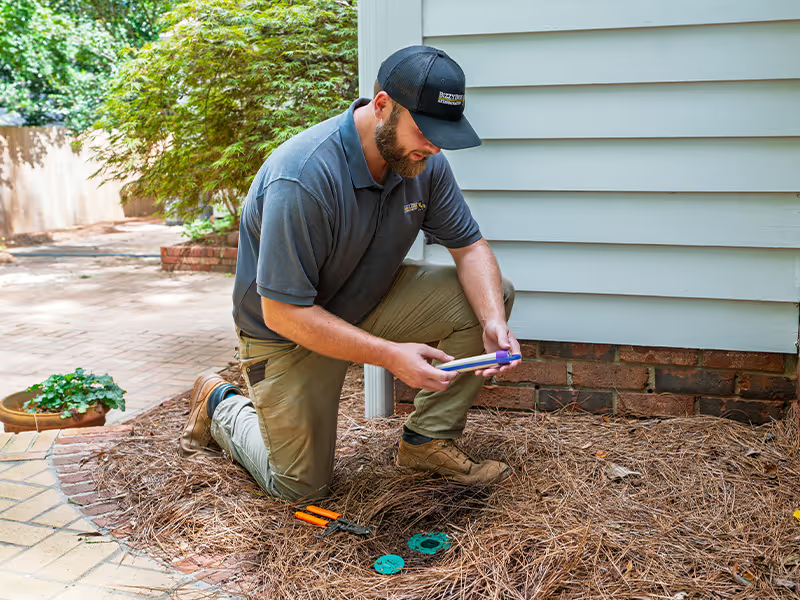
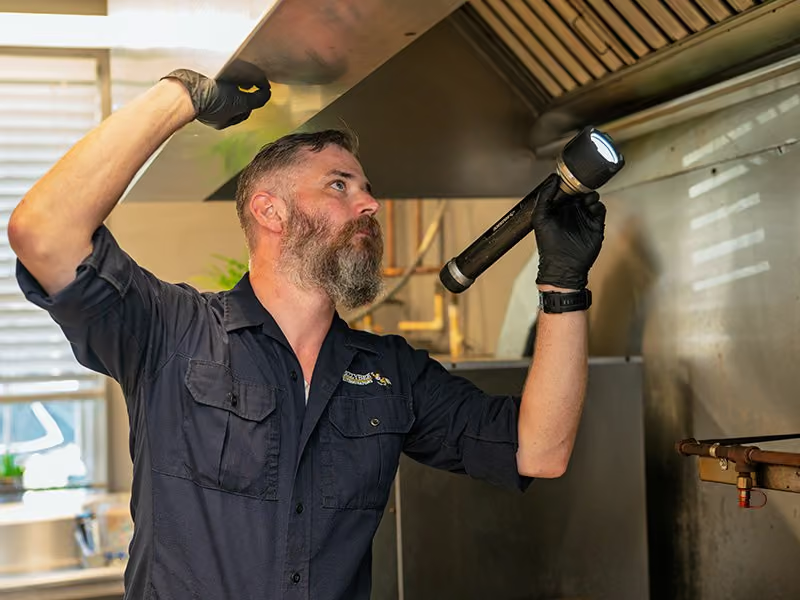
Everything starts with a thorough inspection of your facility. Our technicians look at entry points, drainage systems, waste handling, storage areas, and overall sanitation. The goal is to identify where flies are getting in, what's attracting them, and — most importantly — where they're breeding.
Source Elimination
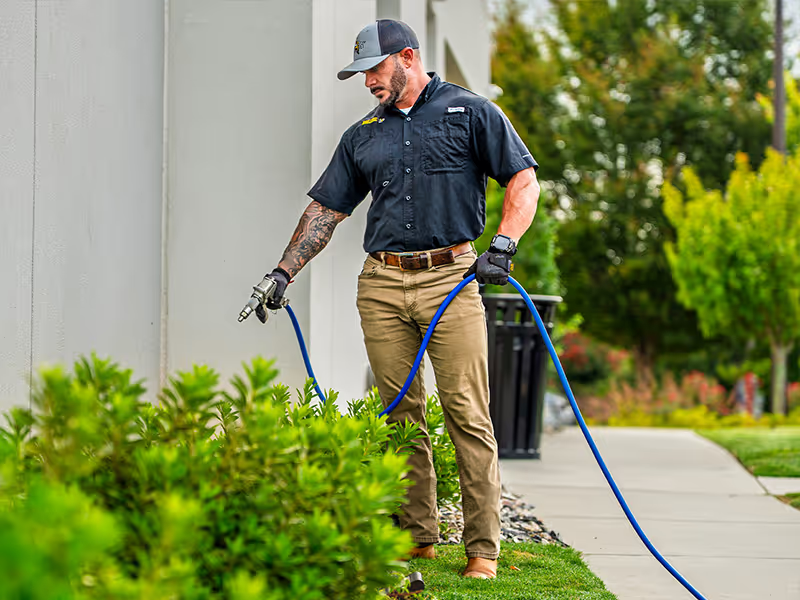
Once we find the breeding source, we address it directly. That might mean treating drains with biological cleaners to break down organic buildup, identifying structural issues like cracked pipes or damaged floor tiles, or recommending changes to waste management practices. Removing the source is the most important step in the entire process.
Exclusion
We look at how flies are entering the building and recommend or install measures to keep them out. That can include door sweeps, weatherstripping, screen repairs, or air curtain recommendations for high-traffic doorways, such as loading docks and back entrances.
Monitoring and Trapping
Insect light traps and other monitoring devices help track fly activity over time. They serve two purposes: catching flies that do make it inside and providing data on whether the program is working. If we see a spike in a specific area, we know exactly where to investigate.
Ongoing Service
Commercial fly control is not a one-and-done situation. Regular service visits keep your facility protected and help catch new issues early. Bizzy Bee offers flexible scheduling — monthly, bi-monthly, or quarterly — designed to fit around your schedule with minimal disruption to daily operations.
All of our programs are designed to meet or exceed AIB, USDA, and FDA standards, and we use low-toxicity products to protect your staff, customers, and products.
Facility Practices That Make a Real Difference
Professional pest control is the backbone of a fly management program. But your day-to-day facility practices play a big role too. Here are the operational habits that make the biggest difference between buildings that stay fly-free and those that struggle.
Keep Dumpster Areas Clean and Lids Closed
It sounds simple, but this is the number one issue we see at facilities. A dumpster with a broken lid or waste spilling from the base is essentially a fly magnet. Regular cleaning and lid replacement go a long way.
Clean Drains Regularly — And Thoroughly
A quick rinse doesn't cut it. Floor drains, sink drains, and grease traps need to be scrubbed and treated to remove the organic film that builds up inside. That film is where drain flies and phorid flies breed.
Inspect Deliveries Before They Go Into Storage
Give produce shipments a look before putting them away. Check for signs of fruit flies or damaged packaging that could harbor pests.
Keep Doors Closed as Much as Possible
If your back door or loading dock stays open for long stretches, flies will take advantage. Air curtains are a solid investment for doors that need to stay open during business hours.
Address Standing Water and Moisture
Mop water left in buckets, leaking pipes under sinks, condensation around coolers — all of these create conditions in which flies thrive. Dry environments are harder for flies to breed in.
These practices work best when they're paired with a professional pest management program. Think of it as two layers of protection working together.
Which Atlanta Metro Businesses Are Most at Risk?
Any business can have a fly problem, but certain industries face greater fly pressure than others because of what they handle day to day.
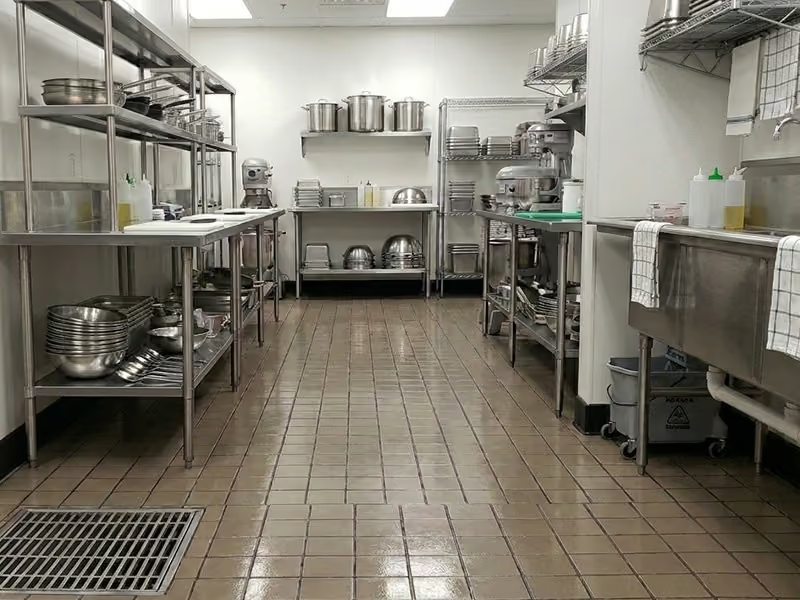
Restaurants and kitchens sit at the top of the list. The combination of food waste, moisture, heat from cooking equipment, and constant door traffic creates ideal conditions for just about every type of fly. Health inspectors know this, which is why foodservice facilities get some of the strictest scrutiny.
Warehouses and distribution centers deal with flies that come in on shipments or breed near loading docks. Facilities that store food products, produce, or organic materials are especially vulnerable.
Healthcare facilities and nursing homes can't afford any pest activity. Patient health, regulatory compliance, and family trust all depend on a clean, pest-free environment.
Hotels, schools, and office buildings with break rooms or cafeterias also see fly issues — particularly around food prep areas and outdoor dining spaces.
Bizzy Bee Exterminators works with businesses across all of these industries throughout the Atlanta Metro area. We tailor every program to the specific needs and compliance requirements of your facility.
Whether you manage a restaurant, warehouse, healthcare facility, or office building, Bizzy Bee can put together a fly control program that fits your operation. Contact us to get started.
Frequently Asked Questions About Commercial Fly Control
Why do flies keep coming back after spraying?
Most sprays only kill the adult flies you can see — not the breeding source behind the problem. Professional fly control focuses on identifying and correcting the conditions that allow flies to continue developing.
How quickly can a fly infestation develop in a commercial kitchen?
Very quickly. Some fly species can go from egg to reproducing adult in less than two weeks under warm conditions. A small, unnoticed breeding source — like organic buildup in a drain — can produce hundreds of flies in a matter of days. That's why regular monitoring and proactive treatment are so important for commercial kitchens.
Will fly control treatments disrupt my business operations?
They shouldn't. Bizzy Bee Exterminators schedules services around your hours of operation. Many treatments — such as drain treatments, monitoring device servicing, and exclusion work — can be performed during slow periods or after hours. We work quietly in the background so your staff and customers aren't affected.
Are the products used in commercial fly control safe around food?
Yes. Bizzy Bee uses low-toxicity products and follows Integrated Pest Management practices designed for food-handling environments. All treatments meet or exceed AIB, USDA, and FDA standards for safety and compliance.
Can fly activity affect a health inspection score?
Absolutely. Fly activity in food prep, storage, or serving areas is a common health code violation. Inspectors look for both live flies and evidence of breeding, like larvae near drains or waste areas. Consistent fly control helps protect your inspection scores and keeps your business in compliance.
What's the difference between insect light traps and bug zappers?
Bug zappers electrocute insects, which can scatter insect fragments — not ideal near food. Insect light traps (ILTs) use UV light and glue boards to capture flies cleanly and discreetly, making them the preferred option for commercial food environments.
Protect Your Business With Commercial Fly Control From Bizzy Bee
Flies are a year-round challenge for businesses in the Atlanta Metro. Metro Atlanta's long warm season and humidity create steady fly pressure nearly year-round, especially around food handling and waste areas.
Bizzy Bee Exterminators has been helping businesses stay pest-free and compliant since 1972. We're a local, family-owned company with the experience and certifications to handle fly control in restaurants, warehouses, healthcare facilities, schools, and other facilities that need reliable protection.
Contact Bizzy Bee Exterminators to schedule a free commercial evaluation. We'll inspect your facility, identify risk areas, and develop a commercial pest control program to keep your business protected from flies and other pests.