It's Not Always Optional
For many businesses in the Atlanta metro, professional pest control is not just a good idea. It may be part of staying compliant.
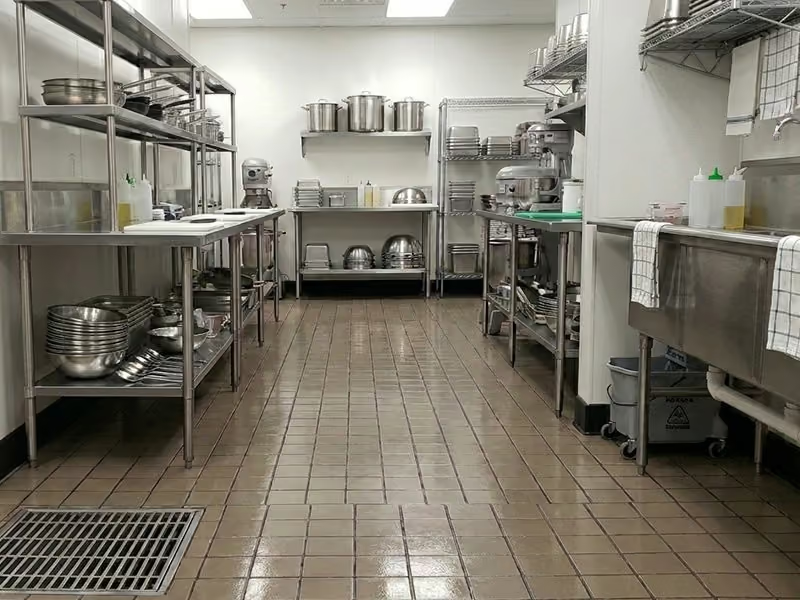
Restaurants, catering operations, food processing facilities, and other businesses that handle food are held to sanitation standards that include pest prevention and documented pest management. If an inspector finds evidence of roaches, rodents, flies, or other pests during a visit, the consequences can range from written violations to lost revenue, reinspection costs, or temporary closure.
Healthcare facilities, nursing homes, assisted living communities, schools, daycares, and hospitality properties face similar pressure. These facilities have to protect the people who rely on them, and pest activity can quickly become a health, safety, or reputation issue.
Even for businesses where pest control is not legally required, the practical risks are real. Offices, warehouses, retail stores, churches, manufacturing facilities, and mixed-use properties can all lose money when pests damage inventory, trigger employee complaints, interrupt normal operations, or lead to a negative review.
Across the Atlanta metro, pest pressure often shows up around restaurant corridors, office parks, industrial properties, warehouses, schools, medical facilities, and retail centers where food, moisture, deliveries, landscaping, and heavy foot traffic create steady opportunities for pests.
What Proactive Pest Control Actually Looks Like
Reactive pest control is straightforward: you see a pest, then you call someone.
The problem is that what you see is almost never the full picture. A few cockroaches in a kitchen may point to hidden activity behind equipment, inside wall voids, or near moisture sources. A mouse in a storage room may mean there is an entry point near a loading dock, utility line, or damaged door sweep. Flies around a drain or dumpster area may point to sanitation issues that have been developing out of sight.
Proactive pest control starts before those problems reach your staff, customers, or inspector.
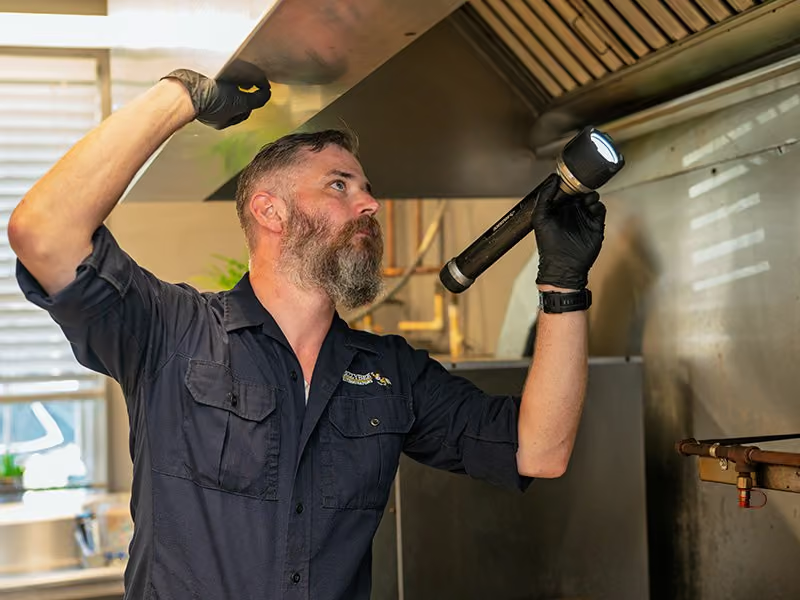
A trained technician inspects your facility on a regular schedule, identifies conditions that attract pests, treats likely entry points and harborage areas, and monitors high-risk areas between visits. That kind of schedule helps catch small issues early and prevents pest populations from gaining momentum.
For most commercial properties, proactive service includes scheduled interior and exterior treatments, monitoring devices in key areas, documentation after each visit, and a technician who understands the facility well enough to notice changes over time.
The Pests Atlanta Businesses Deal With Year-Round
Atlanta’s climate is one of the biggest reasons proactive pest control matters here. Mild winters, long warm seasons, and high humidity allow many pests to remain active much longer than they would in colder regions. There is not always a hard freeze long enough to interrupt established pest activity, so pests that get into a facility in the fall may still be active in January.
Some of the most common pests our technicians treat in commercial facilities across the metro include cockroaches, especially German cockroaches in kitchens, break rooms, food storage areas, and employee spaces.
Ants are also common around commercial properties, from nuisance ants trailing along walls and counters to fire ants in parking lots, landscaped areas, and turf near walkways.
Rodents are another major concern. Mice and rats can enter through loading docks, utility gaps, damaged door sweeps, pipe openings, and poorly sealed storage areas. Once inside, they can contaminate surfaces, damage packaging, chew wiring, and create documentation problems during inspections.
Flies are a persistent issue for restaurants, food processing facilities, grocery-related businesses, and any property where organic waste, moisture, drains, or dumpsters are part of the daily operation.
Spiders can also become a recurring issue, especially when exterior lighting, landscaping, or other insect activity gives them steady food sources around the property.
Each of these pests can take advantage of Georgia’s warm, humid conditions. Without regular service, pests can more easily enter, settle in, and spread across commercial properties across the metro before anyone notices.
Why Waiting Until You See Pests Costs More
When a business calls for emergency pest control, the treatment itself is usually only part of the cost. The higher costs often show up around the service call.
A restaurant that has to address pest activity during operating hours may lose revenue. A warehouse that pulls product from shelves because of rodent evidence loses time and may lose inventory. An office where employees report droppings, bites, or repeated sightings may have to deal with complaints, morale issues, or liability concerns.
Then there is the follow-up. Depending on the pest, follow-up visits may be needed to address hidden activity, newly emerged insects, or the conditions that allowed the infestation to spread. That can add up quickly compared to a proactive plan where small, consistent treatments help keep pest activity under control.
For businesses that are required to maintain pest control records, a reactive approach can also leave gaps in documentation. Those gaps may become a problem during a health inspection, third-party audit, vendor review, or internal safety check.
If your business is already dealing with repeat pest sightings, inspection concerns, employee complaints, or recurring service calls, Bizzy Bee can inspect the property and recommend a commercial pest control plan that helps address the issue before it becomes harder to manage.
How Facility Maintenance Supports Pest Prevention
Professional pest control plays the biggest role, but what happens between visits matters too. A few routine habits can help keep pests from gaining a foothold.
One of the most important steps is removing easy access to food and water. Cleaning spills quickly, storing food in sealed containers, keeping dumpster areas tidy, removing food debris from break rooms, and fixing leaky pipes can make a major difference. Pests do not need much. A small leak under a break room sink, syrup residue near a drink station, grease behind kitchen equipment, or food debris under shelving can give roaches and other pests enough to survive between visits.
Sealing entry points is the other half. Gaps around doors, cracked weather stripping, utility line openings, damaged vent screens, loose thresholds, and open dock doors can all give pests a way inside. Your pest control technician can flag these issues during inspections, but the facility team, maintenance staff, or property manager usually needs to handle the repair.
None of this replaces professional treatment. But when your staff handles the basics between visits, your pest prevention plan works much better.
Signs Your Current Approach Isn't Working
If your business is calling for pest service several times a year for the same issue, the current approach may not be enough.
The same is true if employees regularly report pest sightings, a health or safety inspection flags pest activity, or you find droppings, grease marks, damaged packaging, or insect activity in storage areas.
Another warning sign is a provider that only shows up when you call. If there is no regular inspection schedule, no service documentation, no monitoring, and no clear plan for reducing pest pressure over time, your business may still be operating in reactive mode.
Recurring pest activity is usually a sign that something is being missed. A proactive plan focuses on the source of the problem, not just the symptoms that appear between emergency calls.
How Bizzy Bee Sets Up a Commercial Pest Prevention Plan
Every commercial property is different, so Bizzy Bee Exterminators creates each plan around the facility, industry, and pest pressures involved.
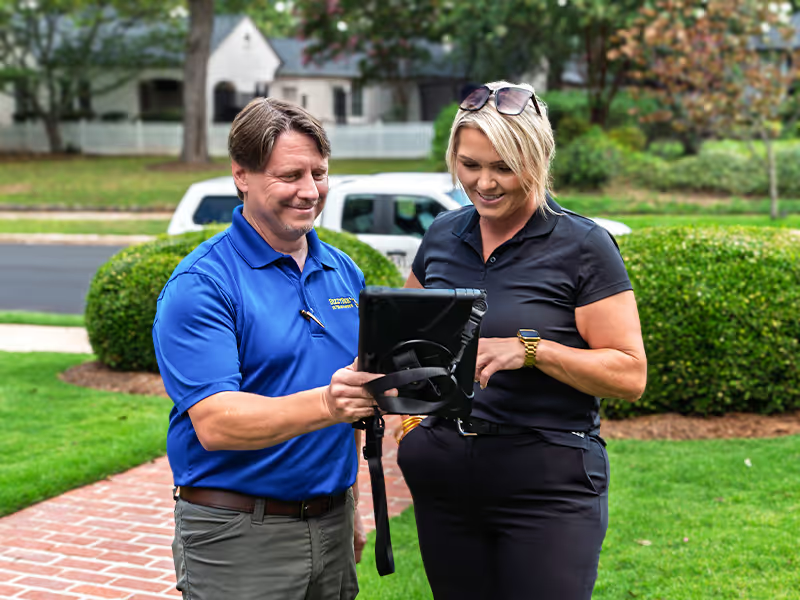
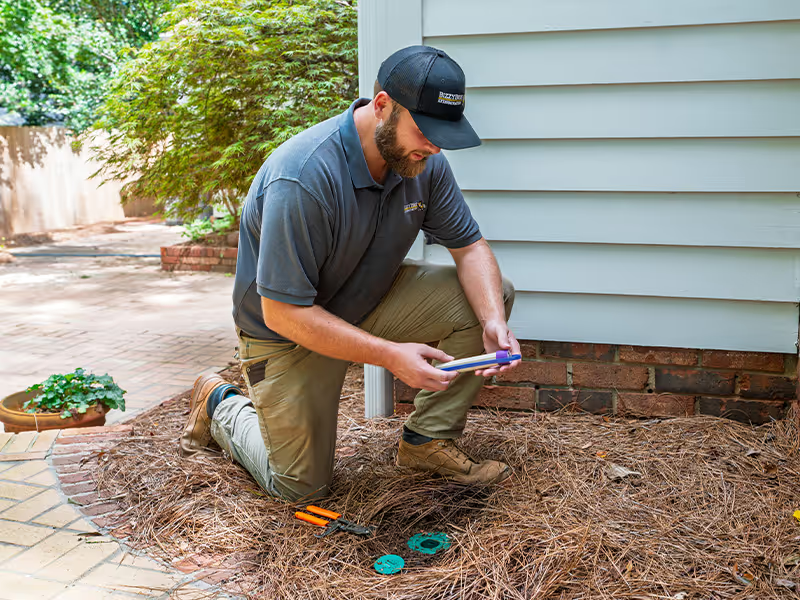
We start with a thorough inspection of your property, inside and out. During that visit, we look for current pest activity, potential entry points, moisture issues, sanitation concerns, harborage areas, exterior pressure points, and conditions that could lead to future problems.
From there, we create a custom treatment plan based on your facility type, your industry’s requirements, and the specific pest pressures around your location. That plan may include monthly, bi-monthly, or quarterly service, depending on the risk level and type of operation.
Our technicians are trained in integrated pest management, which means we use targeted treatments, monitoring, exclusion recommendations, and prevention-focused strategies instead of unnecessary blanket applications. That helps keep product use low while still giving your facility consistent protection.
For food-related businesses, our service plans can be structured around AIB, USDA, FDA, and other sanitation or audit-related requirements. After each visit, we provide documentation showing what was inspected, what was found, what was treated, and what should be watched or corrected before the next service.
That gives your team better visibility into the pest management program and helps keep inspection records organized.
Common Questions About Proactive Commercial Pest Control
How often should a commercial property be serviced for pests?
It depends on your facility type and risk level. Restaurants and food-handling operations often need monthly service. Office buildings and warehouses may do well with bi-monthly or quarterly visits. Your technician will recommend a frequency based on the property, pest pressure, and findings from the initial inspection.
Can proactive pest control help with compliance audits?
Yes. Bizzy Bee provides documented service reports after every visit, including findings, treatments, and recommendations. For businesses subject to health department inspections or third-party audits, those records help show that you have an active, professional pest management program in place.
What if I see a pest between scheduled visits?
Call us. Proactive plans give your business a way to address issues between scheduled services. If something comes up, you do not have to wait for the next routine visit.
Do you treat the outside of the facility, too?
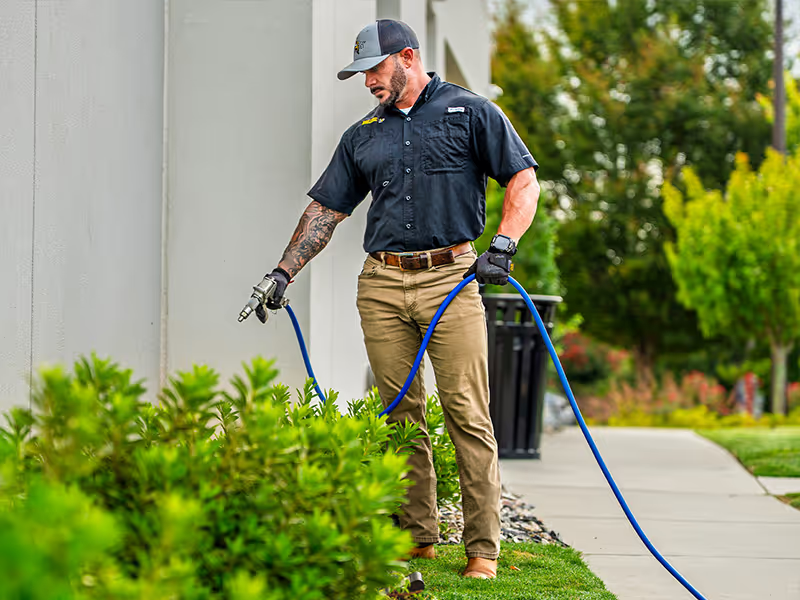
Yes. Exterior service is a core part of any proactive commercial plan. Treating the perimeter, landscaped areas, loading docks, dumpster pads, entry points, and other exterior pressure areas helps reduce pest activity before it moves indoors.
Protect Your Business Before Pests Become a Problem
Whether pest control is a regulatory concern, a customer experience issue, or a smart investment in protecting your facility, Bizzy Bee Exterminators can create a proactive plan around your specific needs.
We offer free inspections and evaluations for commercial properties across the Atlanta metro and Upstate South Carolina. Contact us to schedule yours.