
Key Takeaways for Atlanta Business Owners and Managers
- Subterranean termites are the primary structural termite threat in Georgia.
- Commercial properties should be inspected for termites annually.
- Moisture and soil contact are leading risk factors.
- Proper documentation supports compliance and real estate transactions.
- Early detection reduces repair costs and operational disruption.
What Is a Commercial Termite Inspection?
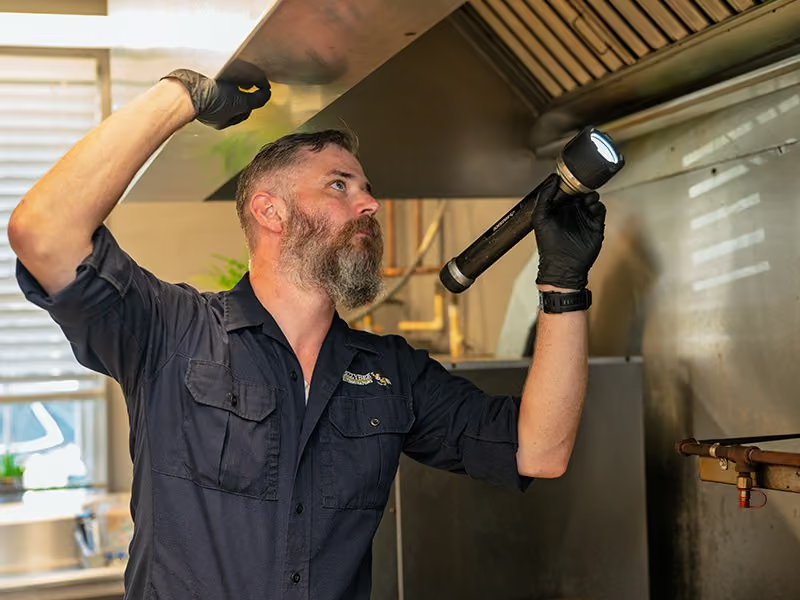
A commercial termite inspection is a structured evaluation of a business property to look for:
- Signs of termite activity (live termites, mud tubes, wings, frass depending on species)
- Evidence of termite damage
- Conditions that make termites more likely (moisture issues, wood-to-soil contact, hidden access points)
- Areas that need monitoring or preventive protection
In Georgia, most commercial termite concerns involve subterranean termites, which are closely tied to moisture and soil. The U.S. Environmental Protection Agency (EPA) provides a helpful overview of termite identification and treatment types, including liquid soil treatments and bait systems.
Who Typically Needs Commercial Termite Inspections in Atlanta?
Commercial termite inspections are especially important for:
- Multi-tenant office buildings
- Retail centers and strip malls
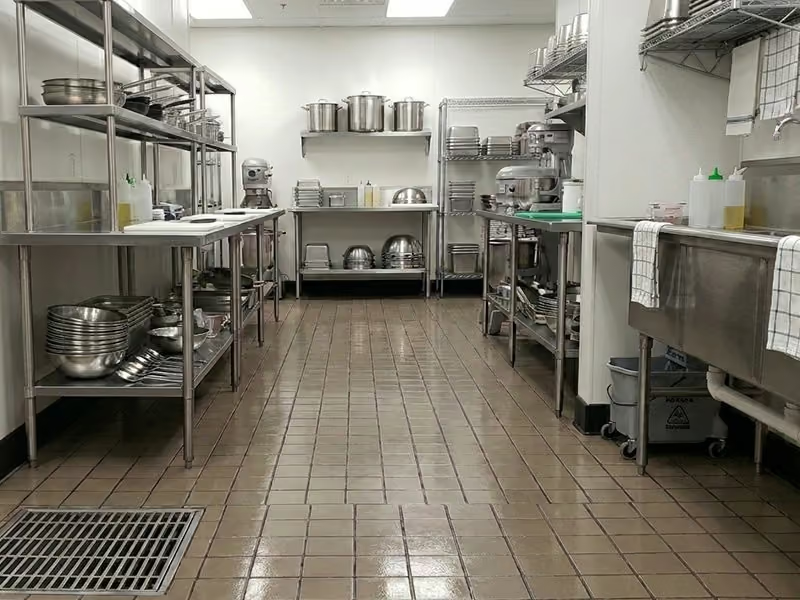
- Restaurants (high moisture + hidden plumbing penetrations)
- Warehouses and distribution facilities
- Multi-family properties (apartments and condos)
- Schools, churches, and community buildings
If your property is undergoing renovations, tenant build-outs, or any work that opens walls, floors, or utility pathways, inspections and monitoring become even more valuable—construction changes can create new entry points.
What’s Included In a Commercial Termite Inspection (Our Typical Process)
Every property is different, but a professional commercial inspection generally includes the following.
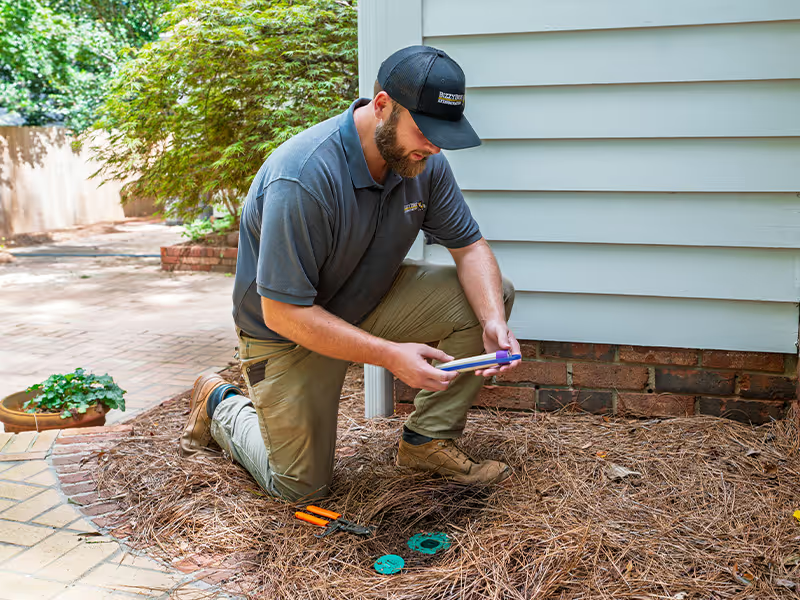
1) Exterior Inspection
We begin around the perimeter, because subterranean termites commonly access buildings from the soil.
We look closely at:
- Foundation line and expansion joints
- Utility penetrations (plumbing, electrical, HVAC lines)
- Loading docks and slab edges
- Landscaping and irrigation that keeps soil damp
- Mulch depth and wood debris near the building
- Fences, planters, and stored materials that touch the structure
2) Interior Inspection (High-Risk Zones)
Next, we move inside where access is available, focusing on areas that tend to hide termite activity:
- Mechanical rooms and water heater areas
- Break rooms and restrooms (plumbing + moisture)
- Electrical/telecom rooms and wall penetrations
- Stairwells, elevator pits (when accessible), and utility chases
- Storage areas where cardboard or wood is kept against walls
- Drop ceilings and accessible voids (where permitted)
In large buildings, some spaces may require coordination with tenants, security, or building engineers. We’ll work with your team to set access expectations upfront
3) Moisture and “Conditions Conducive” Review
Termites don’t just “show up”—they’re encouraged by conditions like ongoing moisture and wood contact.
We note common risk drivers such as:
- Poor drainage/standing water near the slab or foundation
- Leaks (roof, plumbing, condensate lines)
- Wood-to-soil contact (including hidden framing or exterior trim)
- Cellulose debris stored in crawl spaces or under structures
4) Documentation You Can File and Act on
Commercial decision-making often depends on clear documentation.
A strong inspection deliverable should include:
- Findings (what we saw and where)
- Photos when helpful
- Recommended next steps (monitoring, prevention improvements, or treatment options)
- A timeline for follow-up inspections or monitoring
If your property needs a real estate-related wood infestation inspection, Bizzy Bee also offers guidance on Georgia documentation like a termite letter inspection.
Common Termite Hotspots In Large or Multi-Tenant Buildings
In commercial properties, termites often hide where building complexity creates “blind spots.” Here are some of the most common:
- Utility penetrations: Pipes and conduits create small gaps termites can exploit.
- Expansion joints and slab edges: Especially around loading docks.
- Moisture-prone rooms: Restrooms, kitchens, and mechanical areas.
- Stored materials: Cardboard, wood pallets, and paper goods stored against walls.
- Landscaping zones: Over-irrigation and deep mulch keep soil damp.
Some warning signs overlap with moisture damage. If you want a quick primer on what termites can look like, see our guide on Signs of Termites in Your House (many signs apply to commercial buildings too).
How Often Should a Commercial Property Be Inspected for Termites in Atlanta?
There isn’t one perfect schedule for every building. A good rule of thumb is at least once a year for many Atlanta-area commercial properties
Inspection vs. Treatment: What Happens if You Find Termites?
Finding termites doesn’t automatically mean the worst-case scenario—but it does mean you should act quickly.
Depending on the building type, construction, and activity level, treatment options may include:
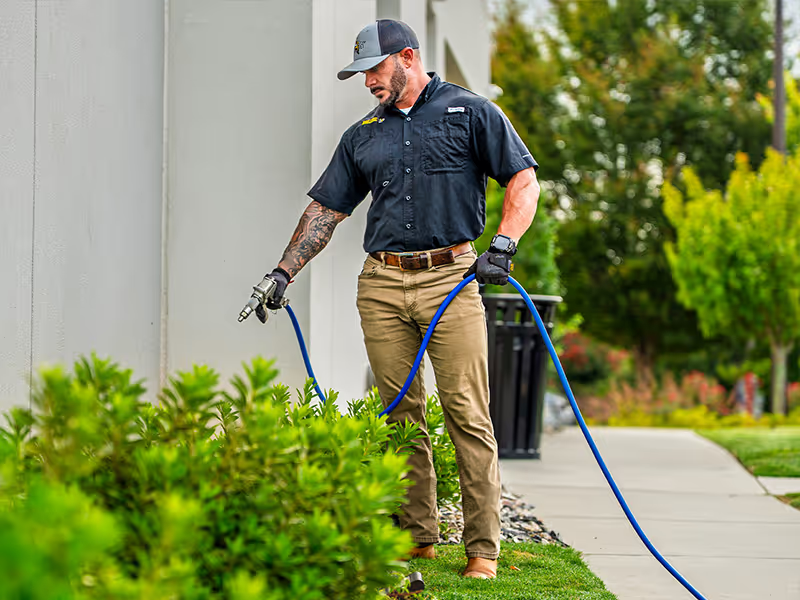
- Liquid soil-applied termiticide (barrier treatment)
- Baiting/monitoring systems
- Targeted wood treatments in select situations
For a broader overview of termite control options we provide across Georgia, see termite control.
How to Prepare Your Building for a Smoother Inspection
A little preparation helps us inspect more thoroughly and reduces the need for rescheduling.
Before your inspection:
- Ensure access to mechanical rooms, electrical/telecom closets, and water shutoff areas
- Note any known leaks, past repairs, or recurring moisture problems
- If you can, move stored items a few inches away from walls in storage rooms
- Identify a point person for tenant access questions
If you manage multiple services with one provider, our commercial pest control programs can help keep your property protected year-round.
Why Licensing and Records Matter in Georgia Commercial Pest Control
For commercial properties, you’re not just protecting wood—you’re protecting operations and liability.
The Georgia Department of Agriculture’s Structural Pest Division oversees licensing and consumer information related to structural pest control, including termite-related services. It also notes that contracts are required for structural pest control services and highlights the importance of service records.
Keeping good documentation makes it easier to:
- Demonstrate responsible property management
- Support budgets for preventive work
- Coordinate with ownership groups and tenants
Why Businesses Choose Bizzy Bee Exterminators
Commercial properties can’t afford surprise structural issues, failed inspections, or gaps in documentation. For more than 50 years, Bizzy Bee Exterminators has helped Georgia businesses stay ahead of termite risk with structured inspections, clear reporting, and proactive protection plans.
We coordinate access in multi-tenant buildings, provide documentation that supports compliance and transactions, and tailor inspection schedules to your building’s risk level.
We can also coordinate commercial service across many communities in the region—see our service area.
Commercial Termite Inspection Atlanta: FAQs
How long does a commercial termite inspection take?
It depends on size, layout, and access. A small standalone building may be quicker, while multi-tenant sites require more coordination.
Can you inspect a warehouse?
Yes—warehouses often have unique risk zones like loading docks, slab edges, stored materials, and perimeter drainage.
Is DIY termite treatment a good idea for commercial properties?
Commercial properties usually benefit from a professional plan. Termiticide application is often best performed by trained professionals and must follow label directions to be effective and safe.
Request a Commercial Termite Inspection in Atlanta
If you’re ready to schedule, Bizzy Bee Exterminators can help you assess risk, document findings, and recommend next steps that fit your building.
Request your commercial termite inspection by reaching out via our contact page.