
What This Blog Covers
- The most common signs of subterranean termites
- Where homeowners should check first
- What termite damage looks like vs. water damage
- What to do if you find warning signs
Quick takeaway: The most common signs of termite activity in Georgia and South Carolina homes include mud tubes along foundations, discarded wings near windows, hollow-sounding wood, and damage that looks like unexplained moisture issues.
Why Subterranean Termites Are Hard To Spot
Subterranean termites typically live underground and travel into a home using moisture and protected “pathways.” That’s why many infestations aren’t discovered until there’s visible damage or until swarm season.
If you want a quick overview of the species we commonly see in our region, see: Eastern subterranean termites.
The Top Signs Of Termites In Your House
Mud Tubes (The Most Telltale Sign)
Mud tubes (also called shelter tubes) are small, dirt-colored tunnels termites build so they can travel between the soil and wood without drying out.
What they look like:
- Pencil-width to finger-width tubes
- Brown/tan “mud” texture
- Often found running vertically up a foundation wall
Where to check:
- Along exterior foundation walls
- Where the foundation meets siding or brick
- Around crawl space vents and entry points
- Inside crawl spaces, especially on piers, sill plates, and support beams
Don’t just knock a tube down and assume the problem is gone. A broken tube can be rebuilt quickly, and you may still have active termites inside the structure.
Swarmers Or Piles Of Discarded Wings
When a colony is mature, it may send out winged termites (swarmers) to start new colonies.
Homeowners often notice:
- Dead winged termites near windowsills
- Small piles of translucent wings indoors
- Swarmers around porch lights in the evening
Important: Not all winged insects are termites—flying ants are a common look-alike. Termite swarmers have straight antennae, a thicker body, and equal-length wings, while ants have bent antennae, pinched waists, and mismatched wing sizes.
Wood That Sounds Hollow Or Feels Weak
Subterranean termites eat wood from the inside out. Sometimes the surface still looks “fine,” but the inside has been damaged.
Quick check
- Tap suspect wood with the handle of a screwdriver
- Listen for a hollow sound
- Look for wood that dents more easily than it should
Blistering Paint, Bubbling Walls, Or “Water Damage” That Doesn’t Make Sense
Because subterranean termites are closely tied to moisture, their activity can sometimes resemble water damage.
Watch for:
- Bubbling or blistering paint
- Small areas of wall that seem swollen
- Trim that looks warped or distorted
These symptoms don’t automatically mean termites, but they’re a strong reason to schedule a professional inspection.
Tight-Fitting Doors And Windows
As termites and moisture affect structural wood, homeowners may notice:
- A door that suddenly rubs
- A window that sticks
- A frame that looks slightly out of square
There are plenty of causes for sticking doors and windows (seasonal humidity, settling), but if you notice this along with other warning signs, it’s time to take a closer look.
Termite Damage In Crawl Spaces (Common In Georgia Homes)
In Metro Atlanta and surrounding areas, crawl spaces can be a prime spot for subterranean termite activity.
Check:
- Sill plates
- Floor joists
- Subfloor edges
- Support posts
If you’re unsure what you’re looking at or you’d like a technician to check the “high-risk zones,” contact Bizzy Bee to schedule a termite inspection.
Where Homeowners Should Check First
Use this quick “first pass” checklist:
- Outside foundation: walk the full perimeter and look for mud tubes and soil lines.
- Crawl space access area: check around the opening, sill plate, and nearby framing.
- Garage: look where concrete meets framing (especially along exterior walls).
- Bathrooms and kitchen: pay attention to areas with plumbing and moisture.
- Windowsills and door thresholds: look for wings or dead swarmers.
If you find anything suspicious, the fastest next step is a professional evaluation. Bizzy Bee can help you get clarity and protect your home. Learn more about our termite control!
What To Do If You Spot Signs Of Subterranean Termites
Step 1: Don’t Disturb The Evidence Too Much
It’s okay to take a closer look, but avoid tearing out wood or spraying random products. You want the infestation accurately identified and located.
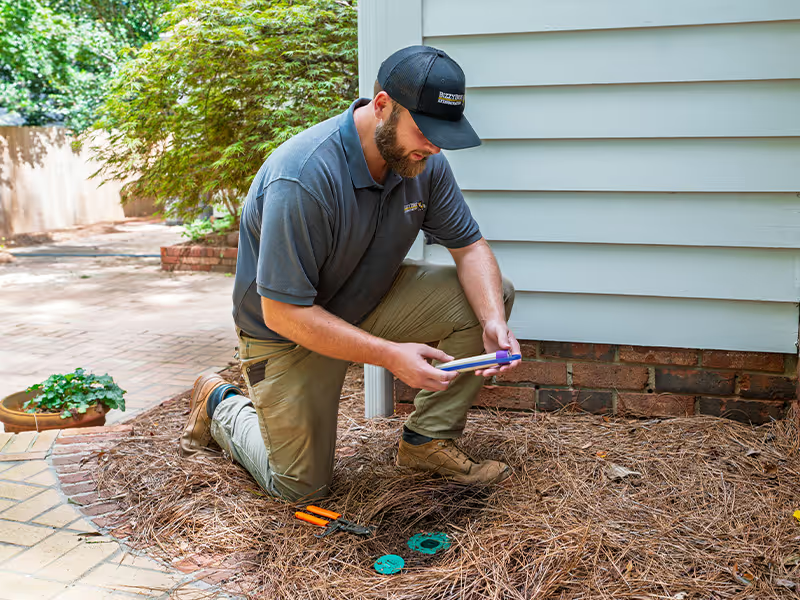
Step 2: Take Clear Photos
Photos help (especially of mud tubes, wings, and damaged wood). Snap close-ups and one “wide” shot to show the location.
Step 3: Schedule A Professional Termite Inspection
Subterranean termites can be active in areas you can’t see. A proper inspection helps confirm:
- Whether activity is current
- Where termites are entering
- How widespread the issue is
If you’re in Metro Atlanta, Georgia, or nearby areas we serve, our local pest control team is ready to help.
How Subterranean Termites Are Typically Treated (At A High Level)
Treatment depends on the structure and what the inspection finds. Here at Bizzy Bee Exterminators, we use two termite extermination methods:
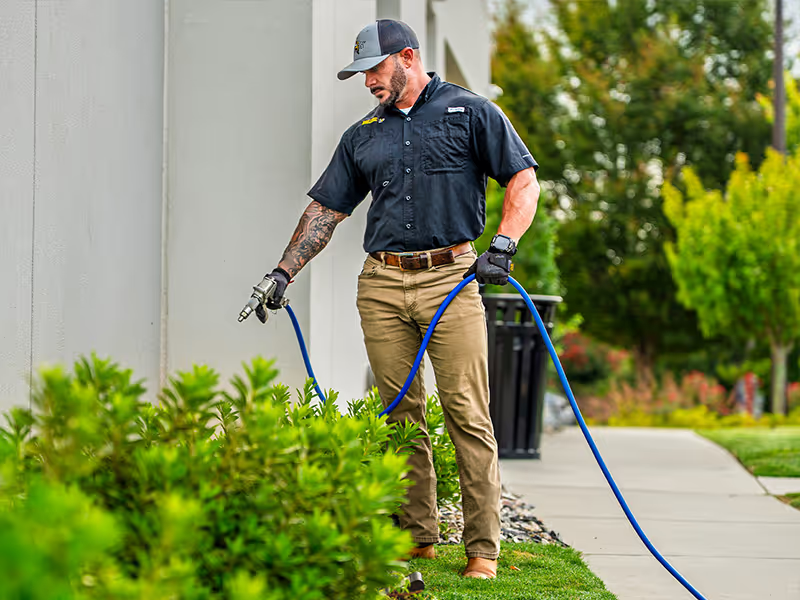
Liquid Termiticide Barrier
A targeted treatment applied to the soil around and/or beneath the home. This creates a protective zone that helps prevent termites from entering the structure.
Baiting Systems
Bait stations installed around the property and monitored over time. These systems work by reducing termite populations and helping protect the home long-term.
The right solution isn’t always the most talked-about option—it’s the one that fits your home’s construction, moisture conditions, and termite pressure. A professional inspection helps determine the best approach
Frequently Asked Questions About Termites
Are Mud Tubes Always Termites?
Mud tubes are one of the most recognizable subterranean termite signs, but it’s still smart to confirm with a pro. Some other insects can leave mud-like materials in sheltered areas.
What Happens to Termites in the Winter?
In our region termite activity never stops. For more information, check out this post: Are Termite Active in Winter?
Can I Have Subterranean Termites Without Seeing Mud Tubes?
Yes. Tubes can be hidden inside wall voids, behind insulation, or in crawl spaces where homeowners rarely look.
If I Saw Swarmers, Does That Mean They’re In My House?
Not always—but it’s a strong warning sign that termites are nearby and conditions are right. It’s worth getting an inspection, especially if you also found wings indoors.
What Do Termites Look Like?
If you’re trying to identify an insect you found, this can help: What Do Termites Look Like? (FAQ).
Protect Your Home With A Clear Plan
If you’ve noticed mud tubes, swarmers, discarded wings, or suspicious wood damage, don’t wait for the problem to get worse. Early detection can make a big difference in both repair costs and treatment options.
For peace of mind, schedule a professional termite inspection with a local expert. Bizzy Bee Exterminators has protected homes across Metro Atlanta and surrounding areas since 1972, and our team can help you confirm what’s going on and explain your options—no pressure, just clear answers.
Get started here: termite control.
if(window.strchfSettings === undefined) window.strchfSettings = {};
window.strchfSettings.stats = {url: "https://bizzy-bee-exterminators.storychief.io/en/signs-of-termites-in-your-house?id=771273998&type=26",title: "Signs Of Termites In Your House",siteId: "22413",id: ""};
(function(d, s, id) {
var js, sjs = d.getElementsByTagName(s)[0];
if (d.getElementById(id)) {window.strchf.update(); return;}
js = d.createElement(s); js.id = id;
js.src = "https://d37oebn0w9ir6a.cloudfront.net/scripts/v0/strchf.js";
js.async = true;
sjs.parentNode.insertBefore(js, sjs);
}(document, 'script', 'storychief-jssdk'))