
What Is Structural Fumigation?
When most people think of fumigation, they picture structural fumigation—where a home or building is sealed and filled with a pest-eliminating gas. This technique is designed to penetrate deep into hard-to-reach areas, like wood pores, wall crevices, and bedding materials, where conventional pesticides may not be as effective.
Chemical Used in Structural Fumigation
The primary chemical used is sulfuryl fluoride, a restricted-use pesticide (RUP) that only certified fumigation professionals can handle. Strict training and certification are required to apply it safely and legally.
Pests Treated with Structural Fumigation
This method is ideal for eliminating:
- Bed bugs
- Termites
- Roaches
- Beetles
- Ladybugs
- And any other pests enclosed within the structure
Whether you have a visible infestation or a few lingering intruders, fumigation ensures complete eradication.
Steps to Receiving Structural Fumigation
1. Prepare the Structure
- Vacate the property: All residents and pets must leave for 24–72+ hours.
- Open all interior spaces: Drawers, cabinets, closets, and rooms should be open to allow gas to flow freely.
- Secure consumables: Place opened food and medications (including those in the fridge/freezer) in airtight, specialized bags. Sealed, unopened items can remain in place.
- Turn off gas-powered appliances: Unplug heaters, disable automatic appliance switches, and extinguish pilot lights.
2. Fumigation Process
- The home or building is tented and sealed.
- Warning signs and barriers are posted for safety.
- Sulfuryl fluoride is released and carefully monitored during application.
- After treatment, the structure is aerated and tested to ensure the gas levels are safe (1 ppm or lower).
Once deemed safe, you’ll be notified that you may reenter the property.
What Is Commodity or Container Fumigation?
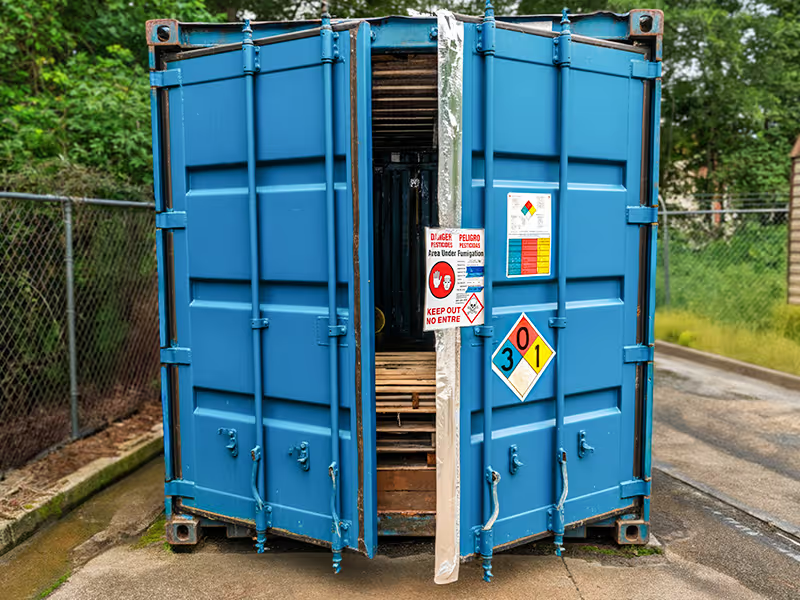
Commodity fumigation, also known as container fumigation, targets pests that infest stored products—especially in the shipping, warehousing, and manufacturing industries. Unlike structural fumigation, this service is typically preventative and ensures product integrity before transport or storage.
Chemicals Used in Commodity Fumigation
The specific chemical used depends on the product and pest being treated. Only licensed professionals should determine the right approach. Commonly used chemicals include:
- Phosphine
- Methyl bromide
- Chlorine dioxide
- Hydrogen cyanide
- Ethylene oxide
- Naphthalene
- Formaldehyde
- Nicotine
Commonly Treated Products
- Bulk grains, rice, nuts, and food products
- Animal feed
- Fresh produce
- Raw wood and plant materials
Containers That Can Be Fumigated
- Shipping containers
- Box and hopper cars
- Truck trailers
- Pallets
- Warehouses
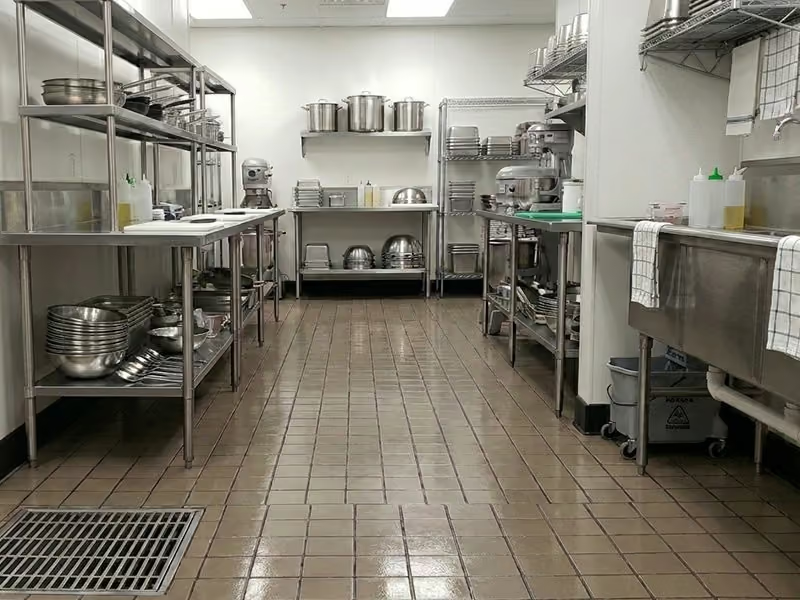
- Food processing storage areas
Pests Targeted by Commodity Fumigation
Primarily aimed at stored product insects (SPIs) such as:
- Moths
- Beetles
- Weevils
- Mites
Bonus Service: Bizzy Bee Exterminators also offers BMSB (brown marmorated stink bug) treatments for shipments to Australia and New Zealand, where this service is required for import compliance.
Benefits of Fumigation Services
Whether structural or commodity fumigation, the benefits are significant:
- Eliminates pests at all life stages
- Provides fast, thorough results
- Reaches pests in hidden or difficult areas
- Treats large areas efficiently
- Minimizes residue or contamination risk
- Supports zero-tolerance pest standards in food and sensitive environments
Contact Bizzy Bee Exterminators for Fumigation Services
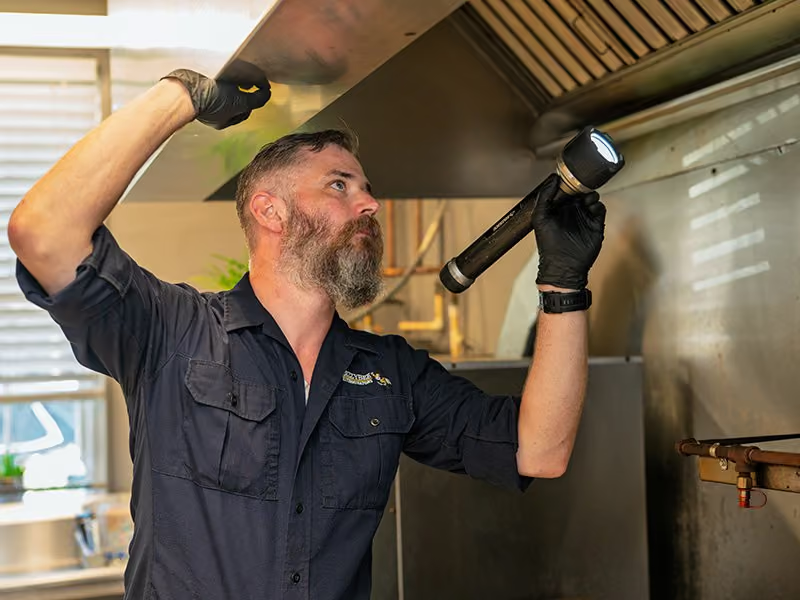
At Bizzy Bee Exterminators, we are licensed, certified, and highly experienced in both structural and commodity fumigation. Our team serves the Atlanta Metro Area and surrounding communities, offering effective, safe, and compliant pest control solutions for your home or business.
Need a quote?
Call us today at 1-800-273-4958 for professional fumigation services you can trust.