
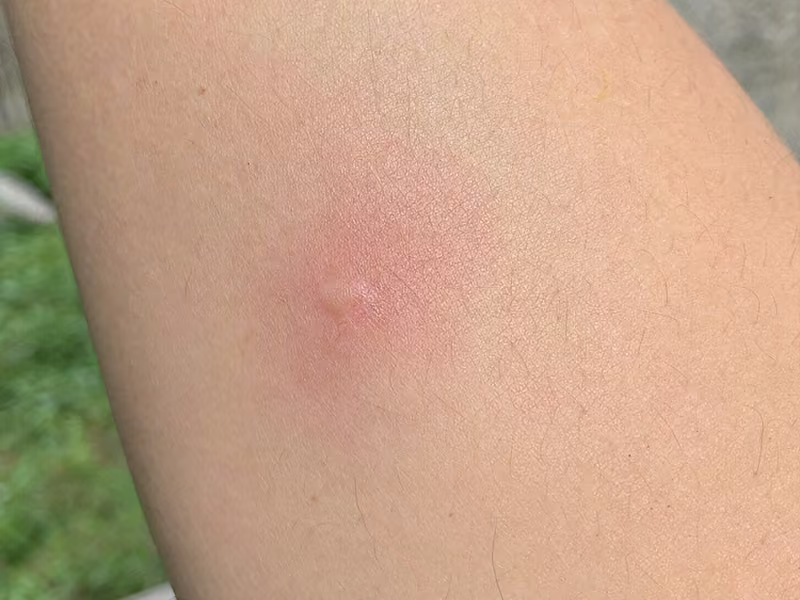
What Does a Mosquito Bite Look Like?
A typical mosquito bite is a small, raised bump that appears after a mosquito feeds. It may be pink, red, or close to your normal skin color, depending on your skin tone and how your body reacts.
The area often becomes itchy and slightly swollen. Some people develop small bumps that fade fairly quickly, while others get larger, more noticeable welts.
You may also notice several bites after spending time outdoors. That can happen when multiple mosquitoes are active in the same area.
Because other pests can also leave itchy bumps, the appearance of the bite is only part of the picture. Where you were when the bites appeared, and whether you're seeing pest activity around the home, can provide useful clues.
Why Do Mosquito Bites Itch?
The itching does not come from the tiny puncture itself. It happens because your immune system reacts to proteins in the mosquito's saliva, which are introduced into your skin while the mosquito feeds.
Most female mosquitoes need blood to help produce eggs. As they feed, their saliva helps keep the blood flowing. Your body recognizes proteins in that saliva as foreign and releases histamine as part of its immune response.
That reaction is what causes the familiar itching, redness, and swelling around a mosquito bite.
Why Do Some Mosquito Bites Swell More Than Others?
Not everyone reacts to mosquito saliva in the same way.
One person may develop a tiny bump that is barely noticeable, while another may get a larger, itchier welt from a similar bite. Individual sensitivity, previous exposure to mosquitoes, and differences in immune response can all affect how noticeable the reaction becomes.
Even your own reactions can vary from one bite to the next.
How Long Do Mosquito Bites Last?
For many people, mosquito bites improve within a few days. The itching and swelling are often most noticeable early on and gradually fade.
Some bites can remain irritated longer, especially if they are repeatedly scratched. Scratching can further inflame the skin and may increase the risk of infection if scratching breaks the skin.
If a bite becomes increasingly painful, shows signs of infection, or is accompanied by unusual or concerning symptoms, it is best to check with a healthcare professional.
Where Do Mosquitoes Usually Bite?
Mosquitoes can bite exposed skin almost anywhere they can reach. Arms, legs, ankles, necks, and other uncovered areas are common targets when people spend time outside.
Clothing can help reduce exposure, although mosquitoes may sometimes bite through thin fabric.
Where the bites happen can also offer clues. If they tend to appear after time in the yard, especially near shaded landscaping or other protected areas, mosquitoes may be resting nearby.
Why Am I Getting So Many Mosquito Bites in My Yard?
If you regularly step outside and come back in covered in bites, the bigger issue may be the amount of mosquito activity around the property.
Mosquito problems are not always tied to a large or obvious source of standing water. Some mosquitoes can develop in surprisingly small amounts of water around a home.
Around properties in Metro Atlanta and Upstate South Carolina, mosquito activity is often supported by conditions such as standing water, shaded vegetation, and other sheltered areas where mosquitoes can breed or rest. Our team commonly looks for conditions around gutters, landscaping, outdoor containers, tarps, toys, buckets, and other spots that can collect water or provide shelter.
These conditions are easy to overlook, especially after rainfall or regular irrigation. Even when homeowners do not see an obvious mosquito source, several smaller problem areas around the property can contribute to ongoing activity.
Could Those Bites Be From Another Pest?
Not every itchy bump is caused by a mosquito.
Bites that appear overnight may raise questions about bed bugs. Bites around the ankles and lower legs can sometimes be associated with fleas. Biting midges and other small outdoor pests can also cause irritation that looks similar to mosquito bites.
Instead of relying on appearance alone, consider when and where the bites are happening. That context can make it easier to narrow down the likely source.
Mosquito Problems in Metro Atlanta and Upstate South Carolina
Warm temperatures, humidity, rainfall, and a long outdoor season can create favorable conditions for mosquitoes.
For homeowners, that can mean more than a few annoying bites. When mosquitoes are consistently active around patios, decks, play areas, or other parts of the yard, enjoying your outdoor space can become frustrating.
That is where professional mosquito control can make a difference.
When Mosquito Bites Become a Yard Problem
One or two mosquito bites after being outside is one thing. Getting bitten nearly every time you use your yard is another.
At that point, treating the bites after they happen does not address the underlying problem. Reducing mosquito activity around the property does.
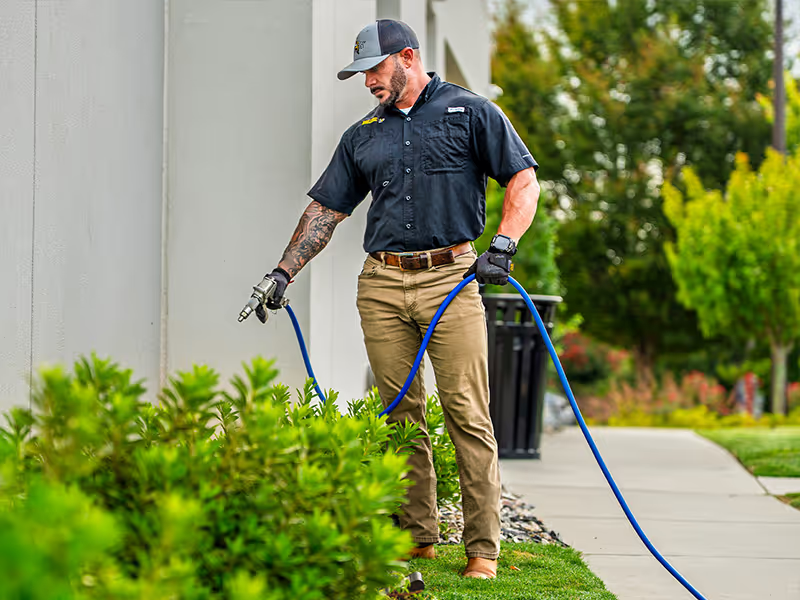
Bizzy Bee Exterminators provides seasonal mosquito control throughout Metro Atlanta and Upstate South Carolina, including Acworth and Greenville. Our mosquito program runs from April through September, helping homeowners significantly reduce mosquito activity during the months when these pests are most active.
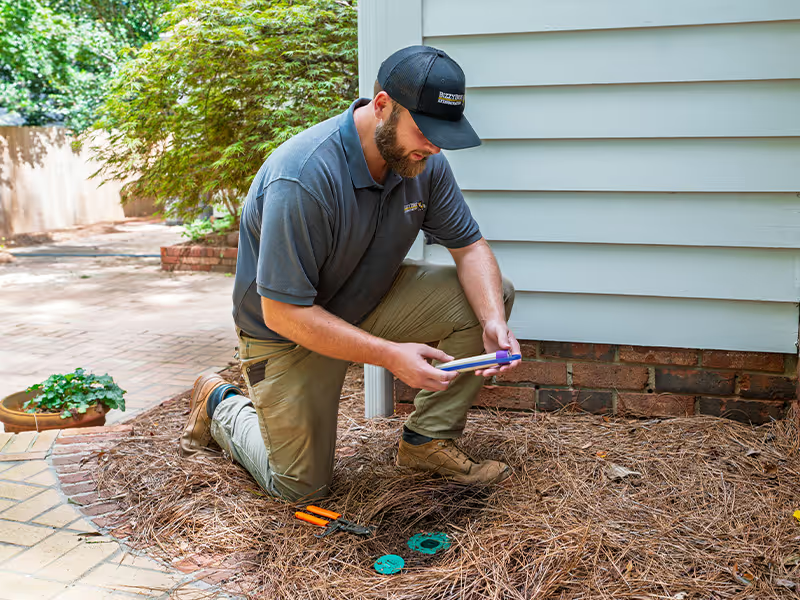
Our team focuses on where mosquitoes are likely to rest and the conditions that allow populations to continue to develop around the property. Depending on the home and level of activity, we may also recommend In2Care® Mosquito Traps as part of the mosquito-control approach.
If mosquito bites are making it hard to enjoy your yard, contact Bizzy Bee Exterminators to learn more about mosquito control for your home in Metro Atlanta or Upstate South Carolina.