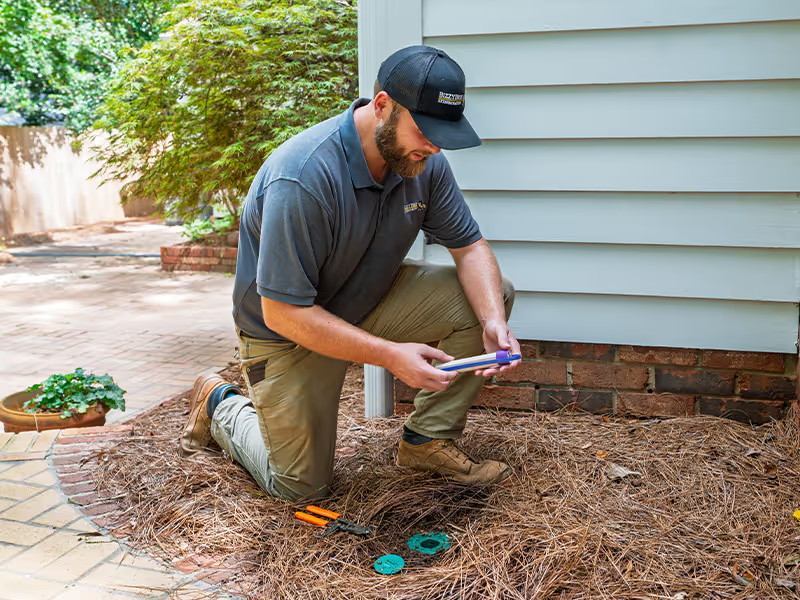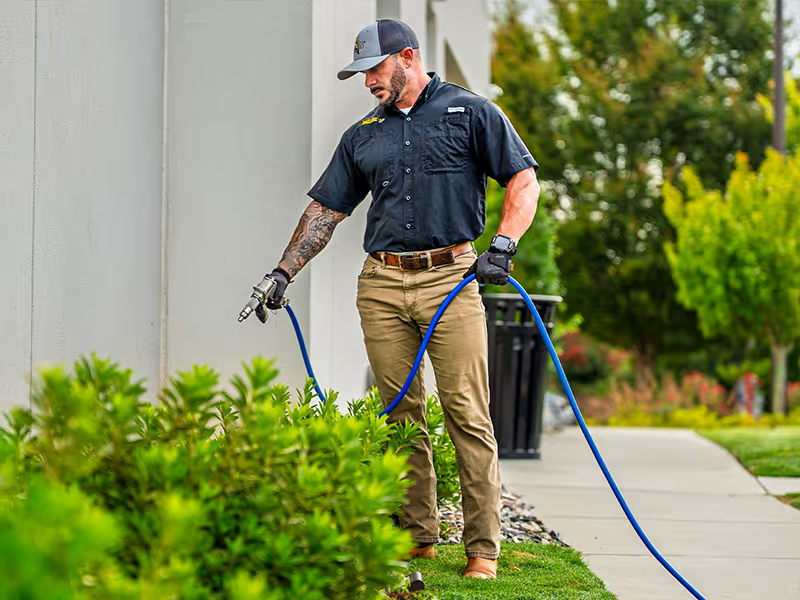
Fleas are one of the most common household pests that pet owners deal with in Georgia and South Carolina, but you do not need a pet to end up with a flea problem. These tiny, fast-moving insects can hitch a ride indoors on pets, wildlife, or clothing, while flea eggs and immature stages can be introduced through secondhand furniture, rugs, and other items. Once fleas become established, they multiply quickly. Here is what you should know about fleas and how Bizzy Bee Exterminators can help you get rid of them.
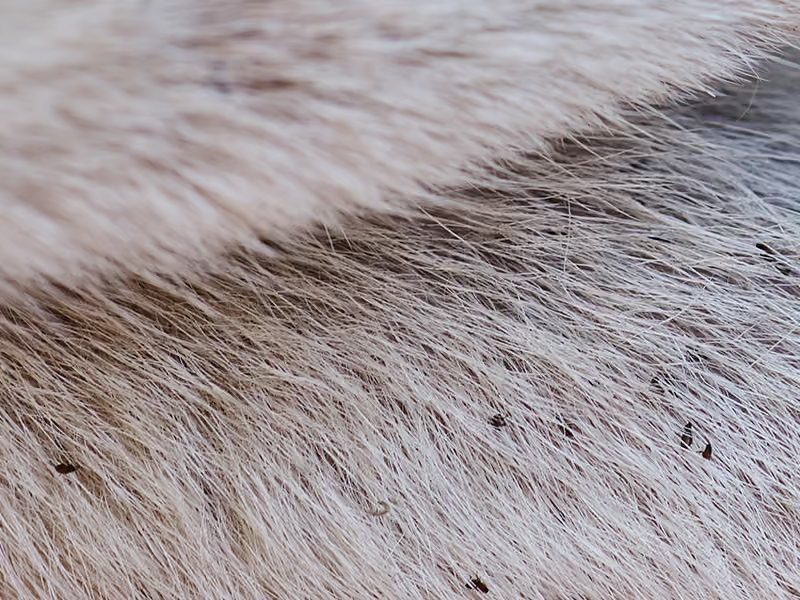
Fleas are a year-round problem in Georgia and South Carolina, but activity typically peaks from late spring through early fall when temperatures and humidity levels are higher. Outdoor flea populations often build up throughout the summer, increasing the risk that pets, wildlife, or people will bring fleas indoors. Because homes remain climate-controlled, flea infestations can persist even during the winter months once fleas become established indoors.
Cat fleas (Ctenocephalides felis) are the most common flea species found in Georgia and South Carolina homes. Despite the name, they feed on cats, dogs, and humans alike. These wingless insects are built for jumping and can leap up to 150 times their body length, making it easy for them to move between hosts and spread throughout a home.
Fleas go through four life stages: egg, larva, pupa, and adult. Adults are the ones you see biting, but eggs and larvae make up the majority of a flea population. They develop in carpets, bedding, upholstered furniture, and cracks in flooring, which is why a flea problem can seem to come out of nowhere and keep coming back.
Fleas are sometimes confused with bed bugs, ticks, or biting gnats, but there are clear differences. Fleas jump; bed bugs do not. Bed bug bites are often found on areas exposed while sleeping, such as the arms, shoulders, neck, and upper body, while flea bites are commonly concentrated around the ankles and lower legs. Ticks latch on and stay attached for extended periods, whereas fleas bite quickly and move on. If you are finding tiny jumping insects near your pets or around carpet level, fleas are the most likely culprit.
Fleas are more than just itchy bites. Flea bites can remain itchy for days and may trigger stronger reactions in some people, particularly children and individuals with flea allergies.
For pets, heavy flea infestations can lead to flea allergy dermatitis, hair loss, and, in severe cases, anemia, especially in puppies, kittens, or older animals. Fleas can also transmit tapeworms to both pets and humans.
For homeowners, flea infestations are stressful because they are difficult to eliminate without professional help. Since only about 5% of a flea population is made up of adults, treating the ones you see barely scratches the surface. Eggs, larvae, and pupae hidden in carpets and furniture keep the cycle going, which is why store-bought sprays and flea bombs often fall short.
Fleas usually enter homes in one of a few ways:
Even homes without pets can develop flea problems, especially if wildlife frequents the yard or if previous occupants had pets. Flea activity is especially common around properties with shaded yards, wooded edges, wildlife activity, or pets that spend time outdoors.
Fleas are most likely to develop in protected outdoor areas where animals spend time rather than in sunny, open sections of the lawn.
Preventing fleas takes a combination of pet care and property maintenance. Here are steps that help reduce your risk:
Flea infestations are notoriously tough to handle on your own. Over-the-counter sprays and flea bombs typically only kill adult fleas, leaving behind eggs, larvae, and pupae that continue the cycle. Many homeowners treat multiple times and still see fleas coming back weeks later.
Bizzy Bee Exterminators offers professional flea treatments tailored to the situation. For active indoor flea infestations, we provide targeted interior treatments along with a follow-up service 7 to 10 days later to address newly emerged fleas.
For ongoing outdoor flea pressure, we offer season-long treatments from April through September that target areas where fleas are most likely to develop, including shrubs, tree lines, and other shaded harborage areas around the property. These services can be scheduled as standalone treatments or added to a home pest control program.
Yes. Pets should be placed on a veterinarian-recommended flea control program to prevent them from continuing to carry fleas indoors.
Flea bites are most commonly found on the ankles, feet, and lower legs because fleas usually stay near floor level. However, bites can occur anywhere on the body.
Fleas do not live inside hardwood flooring itself, but eggs, larvae, and pupae can develop in gaps between boards, along baseboards, and in debris that accumulates in cracks and crevices.
If fleas have taken over your home or yard, do not wait for the problem to get worse. Bizzy Bee Exterminators has been helping homeowners in Acworth, Oxford, and Metro Atlanta, as well as Greenville and Upstate South Carolina, tackle tough pest problems since 1972.
Contact us today and let our local pest control experts take care of your flea problem so you and your family can get back to being comfortable.

Great business. Punctual, professional, and cost-effective. Call Bizzy Bee for all your pest control needs
Dustin H.
Winder, GA.

I have been using BizzyBee at my restaurant for several months now and I am so happy with the overall service. I highly recommend for all your pest needs!
Amanda H.
Winder, GA.

We have been using Bizzy Bee for 10+ years now. Just had our next visit in our new place in Monroe. Cecilia was Very knowledgeable, friendly and courteous. Thank you Bizzy Bee for your services. We recommend this firm for anyone's pest control needs.
Richard K.
Monroe GA.