Why Humidity Matters More Than Temperature
Flea eggs and larvae can't survive in dry conditions. They need relative humidity above 50% to develop — and ideally closer to 70% or higher. When humidity drops below that threshold, eggs dry out and larvae die before they ever become adults.
That matters here because Georgia and the Upstate South Carolina corridor consistently sit well above that 50% line for most of the year. Even during winter months, indoor humidity in many homes stays high enough to keep the flea lifecycle moving along. The adults you see hopping around on your pet or your ankle make up only about 5% of the flea population in your home. The other 95% — eggs, larvae, and pupae — are hidden in carpet fibers, furniture cushions, and along baseboards, quietly developing.
That's one reason flea problems in Georgia and South Carolina often need more than a quick surface treatment. If the moisture conditions are right, fleas can keep developing even after the visible adults are gone.
Why Fleas Thrive in Georgia Homes
In areas like Oxford and Winder, where the soil is heavy red clay, ground moisture doesn't drain quickly. That clay holds water, and the moisture works its way up through foundations and into crawl spaces. Older homes in the Piedmont region — many built with vented crawl spaces — are especially vulnerable because that damp air circulates directly under the living space. Fleas thrive in those conditions, especially in homes with pets that spend time outdoors.
Farther north in Acworth and the Cobb County area, many properties sit on wooded lots with tree canopy that traps ground-level humidity. Less airflow at ground level means soil under decks, porches, and shaded yard areas stays damp longer. Those are the exact spots where fleas develop outdoors before hitching a ride inside on pets or shoes.
For homeowners in these areas, recurring fleas are often a sign that the home, yard, pets, and moisture conditions all need to be looked at together.
Why South Carolina Homes Deal With Recurring Fleas
Over in Greenville, many older homes have crawl spaces and established landscaping with thick mulch beds. Mulch holds moisture right against the foundation, and crawl spaces underneath create a warm, humid pocket that flea larvae love. If you've got a dog or cat going in and out, the path from outdoor flea habitat to indoor carpet is a short one.
In Anderson, the combination of wooded residential areas and natural waterways adds another layer. Properties near creeks and drainage areas deal with consistently higher ground moisture, and wildlife passing through — raccoons, opossums, and feral cats — can deposit fleas in yards that don't even have pets.
Across Georgia and South Carolina, recurring flea infestations are often linked to moisture conditions homeowners don't realize are present. This is the kind of local pest pressure Bizzy Bee looks for during a flea inspection — not just where fleas are showing up, but why they're surviving there.
Why Fleas Stay Active Through Mild Georgia and South Carolina Winters
In northern states, a hard freeze usually kills off outdoor flea populations and resets the clock. That doesn't happen in most of Georgia or South Carolina. Winters tend to be mild enough that flea pupae survive outdoors in sheltered spots, and indoors, heated homes with carpeting and upholstered furniture provide everything fleas need to keep developing through the colder months.
This is why homeowners sometimes notice fleas in the middle of winter and can't figure out where they came from. The answer is usually that the eggs were already in the carpet weeks earlier, and the warm, humid indoor environment let them hatch on schedule.
Can Humidity Make Flea Infestations Worse?
Yes. Humidity helps flea eggs, larvae, and pupae survive long enough to become biting adults. In dry conditions, immature fleas are far less likely to make it. But in Georgia and South Carolina, damp crawl spaces, shaded yards, humid rooms, pet bedding, and mild winters can all help the flea lifecycle continue.
That is why infestations may keep showing up even after pets are treated or adult fleas are sprayed. If the conditions supporting the hidden stages of the flea lifecycle remain in place, new adults can continue emerging for weeks.
Common Moisture Problems That Lead to Fleas
Many homeowners focus on the fleas they can see without realizing the conditions that allow flea populations to survive in the first place. Across Georgia and South Carolina, some of the most common moisture-related conditions associated with recurring flea problems include:
- Damp or poorly ventilated crawl spaces
- Heavy mulch beds that stay wet after rain
- Shaded areas under decks and porches
- Dense landscaping that limits airflow
- Poor drainage around the foundation
- Properties near creeks, ponds, or drainage areas
- Pet resting areas that retain heat and moisture
These conditions don't automatically mean you'll have fleas, but they can create the kind of humid environment flea eggs and larvae need to survive. When fleas keep coming back, these are often some of the first things our team evaluates during an inspection.
Indoor Humidity Hotspots Fleas Love
Even in homes where the air conditioning runs regularly, certain areas hold more moisture than others. Crawl spaces are the biggest example. If the crawl space isn't encapsulated or properly ventilated, that moisture can affect flooring, carpeting, and the living space above.
Bathrooms and laundry rooms also create localized humidity pockets.
Pet sleeping areas are another major hotspot. Dogs and cats generate body heat and moisture, and their bedding — along with the carpet or floor underneath — creates a microenvironment that's ideal for flea egg development. If your pet sleeps in a carpeted room, that room is often one of the first places flea larvae begin establishing themselves.
We've also found that homes with ongoing moisture issues in crawl spaces or around foundations often experience more persistent flea activity than homeowners expect. The fleas themselves may be showing up in a bedroom or living room, but the conditions helping them survive can start elsewhere on the property.
Why Store-Bought Flea Products Often Fall Short
Most over-the-counter flea sprays and foggers target adult fleas. The problem is that adults are the smallest piece of the puzzle. The eggs, larvae, and pupae making up that hidden 95% are tucked deep in carpet fibers and furniture where surface sprays can't reach them.
As long as humidity and favorable conditions inside the home keep those developing stages alive, new adults can continue emerging long after homeowners think the problem has been solved.
Pet treatments like topical medications and flea collars help protect your animal, but they don't address the population already living in your home. Without treating the indoor environment itself, the cycle often continues.
What Professional Flea Treatment Actually Covers
When the Bizzy Bee team treats a home for fleas, the approach goes beyond simply targeting adult fleas. We focus on the full lifecycle — including the eggs and larvae hiding in carpets, upholstery, and cracks along baseboards.
After our initial treatment, we return 7-10 days later for a follow-up visit to address any newly emerged fleas and help ensure the infestation has been eliminated.
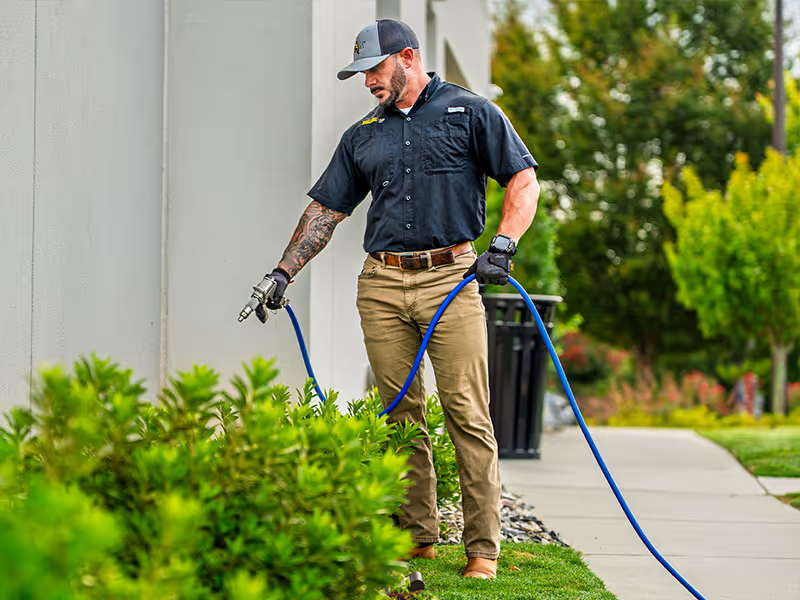
For homeowners looking for ongoing protection, seasonal flea treatments can also be added to a Bizzy Bee home pest control plan. These monthly yard treatments run from April through September and target the shaded, humid outdoor areas where fleas are most active.
Interior flea control is available for homeowners across our Georgia and South Carolina service areas.
If you're dealing with a flea problem — especially one that keeps coming back — contact our local pest control team so we can take a closer look.
Flea FAQs for Georgia and South Carolina Homeowners
Can fleas survive on hardwood or tile floors?
They can, but they strongly prefer carpeted areas and soft surfaces where eggs can settle into fibers. On hard floors, flea eggs tend to roll into cracks, baseboards, and along area rug edges, making them harder to notice.
How long does it take for a flea problem to clear up after professional treatment?
You may still see some adult fleas for up to two weeks after treatment. That's normal. Pupae inside their cocoons are resistant to treatment and can emerge over the following days. Once they contact treated surfaces, they die off. Depending on the severity of the infestation, a follow-up treatment may be recommended.
Do I need to treat my yard for fleas, too?
In many cases, yes. Shaded, damp areas around decks, fence lines, landscaping, and pet areas can support outdoor flea populations that reintroduce fleas to the home. Bizzy Bee offers seasonal flea yard treatments from April through September for homeowners who want additional outdoor protection.
Can fleas cause health problems for my family?
Flea bites cause itching and discomfort, and some people develop allergic reactions to flea saliva. Fleas can also transmit bacteria such as Bartonella and, in rare cases, tapeworm. Pets can develop flea allergy dermatitis, anemia, or tapeworm after ingesting fleas while grooming.
Get Help With Fleas Before They Spread
If you're noticing flea activity in your home — or you've tried treating the problem and it keeps returning — the Bizzy Bee Exterminators team can help. We've been protecting homes across Georgia and South Carolina since 1972, and flea control is one of the most common calls we receive.
Contact us to schedule an inspection and help make your home comfortable again.