
How to Tell If You’ve Got a Mouse Problem
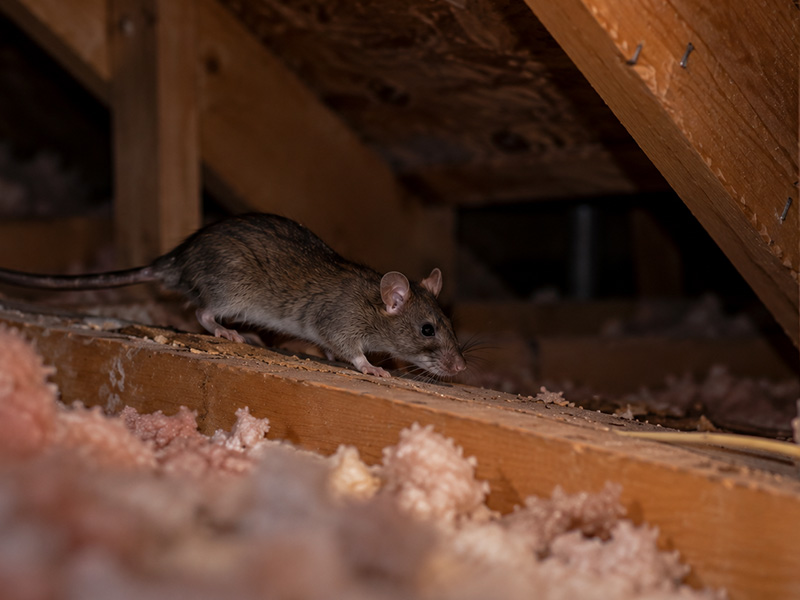
The first thing to know about mice is that they are sneaky. You might not see one strolling across the living room rug in broad daylight. In fact, they prefer to stay hidden and do most of their exploring at night. But just because they’re good at hiding doesn’t mean they won’t leave some obvious clues behind.
Here’s what homeowners should look out for:
- Droppings: Small, dark, pellet-like droppings are the number one sign. Think of them as little calling cards no one asked for. You’ll often find them along baseboards, in cabinets, or inside pantries.
- Strange Noises: Mice can be surprisingly noisy for their size. Scratching, squeaking, or scampering sounds in the walls or ceilings usually mean they’ve set up shop.
- Food Damage: Mice are nibblers. They’ll chew tiny holes in bread bags, cereal boxes, and pet food bags. If you’ve ever wondered why the dog food has confetti-sized shreds of plastic in it, mice may be the culprits.
- Gnaw Marks: Mice gnaw to keep their teeth trimmed. Chewed wires, cardboard boxes, or wooden furniture legs are fair game.
- Nesting Materials: Shredded paper, fabric, or insulation piled up in hidden corners could be a cozy mouse nest.
If you’re seeing one or more of these signs, chances are you’re not just dealing with a “visitor.” You’ve got full-time tenants who never signed a lease.
Why Do Mice Infest Homes?
Our region is an excellent place for people, but unfortunately, it’s also ideal for mice. A mix of older homes, wooded neighborhoods, and mild winters means rodents don’t have to work hard to find food and shelter.
Here are some reasons mice target homes in Georgia and South Carolina:
- Fall and Winter Weather: When temperatures drop, mice look for warmth. Your heated home is more appealing than the cold outdoors.
- Plenty of Food Sources: From backyard bird feeders to kitchen pantries, Atlanta houses offer endless snacks.
- Structural Opportunities: Many homes in the metro area have crawl spaces, basements, or older foundations. Even new construction can have gaps around pipes, vents, and garage doors.
- Fast Breeders: A single pair of mice can produce dozens of offspring a year. Once they’re in, they don’t stay a small problem for long.
How to Get Rid of Mice
Okay, so you’ve got mice. Now what? Here are some practical steps you can try before calling in the cavalry:
1. Eliminate Food Sources
Mice wander into homes looking for food. Keep all dry goods in sealed glass or heavy plastic containers. Clean crumbs from counters, sweep under appliances, and don’t leave pet food out overnight.
2. Set Traps
Place mouse traps along walls, behind the fridge, or anywhere you’ve noticed activity. Check daily and move them around if you’re not catching anything.
3. Seal Entry Points
Mice can squeeze through openings the size of a dime. Walk around your home and check for gaps around utility lines, dryer vents, garage doors, and foundation cracks. Stuff holes with steel wool and seal them with caulk or weatherproof foam.
4. Declutter
Stacks of boxes in the garage, cluttered attics, or messy basements are prime nesting spots. Clearing out the clutter and tidying up makes your home less inviting.
When DIY Isn’t Enough
Now, here’s the part homeowners often underestimate: where there’s one mouse, there’s usually more. You might catch one in a trap and feel victorious, but mice reproduce quickly, and if there’s a nest in your walls, the problem won’t go away so easily.
Signs it’s time to call in the pros:
- You keep catching mice, but they don’t stop coming.
- You’re hearing activity in multiple areas of the house.
- You find droppings daily, even after cleaning.
- You’re worried about safety; mice can spread salmonella, hantavirus, and allergens.
Why Professional Rodent Control is a Must
Mice (and rats) often enter homes through the smallest openings. Gaps under doors, spaces around vents and utilities, and cracks in the foundation are just a few of the many potential entry points. While DIY traps and repellents might catch a few once they get in, lasting control requires a professional approach. Experts identify how rodents enter, eliminate current infestations, and implement ongoing measures to prevent them from returning.
When you call the team at Bizzy Bee Exterminators for help with rodents, here’s what you can expect:
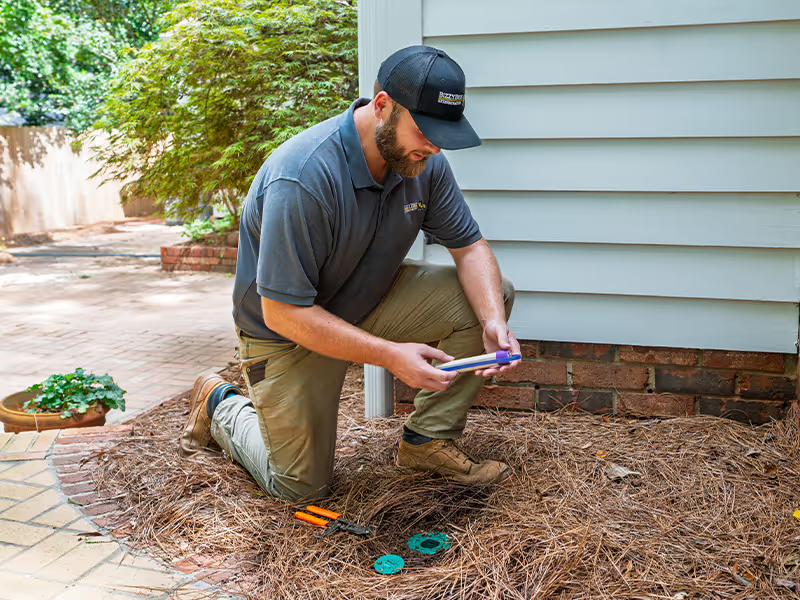
- Thorough Inspection: We’ll check your entire property, inside and out, to find entry points and nesting areas.
- Custom Treatment Plan: Every home is different. We’ll design a strategy that fits your home, family, and level of infestation.
- Ongoing Service: When you sign up for one of our ongoing home pest control plans, we’ll ensure that mice don’t have the chance to re-infest.
Mice: Funny Until They’re Not
We get it; mice are almost cartoonishly mischievous. (Who didn’t grow up watching Tom & Jerry?) But in real life, there’s nothing funny about hearing scratching in your walls at 2 a.m. or finding droppings in your kitchen drawer.
The good news is, you don’t have to live with them. With a bit of prevention, quick action, and the help of a professional exterminator, you can kick mice out of your home and keep them out.
Contact Bizzy Bee For The Best Rodent Control Around
Don’t let mice make themselves comfortable this fall. Contact Bizzy Bee Exterminators for a free inspection today. We proudly serve Atlanta, Oxford, Marietta, Roswell, Decatur, the entire metro area, and parts of South Carolina!
This blog was originally published on August 17, 2017; it has been updated to reflect the most up-to-date information.