
What This Article Covers
- The cockroach species most commonly found in homes
- How the cockroach life cycle works—from egg to adult
- Why some infestations grow faster than others
- Where cockroaches hide at each stage
- How professional treatments interrupt the life cycle
Cockroaches Commonly Found in Homes
While there are many species of cockroaches, two account for the majority of infestations in Georgia and South Carolina homes:
American Cockroaches
American cockroaches are among the largest species found indoors, measuring up to two inches long. They have reddish-brown bodies with a pale, yellowish marking behind the head and are capable of short flights. These roaches prefer warm, damp environments and are often associated with basements, crawl spaces, and plumbing areas.
German Cockroaches
German cockroaches are much smaller, about half an inch long, but they’re far more likely to infest kitchens and bathrooms. Light brown in color with two dark stripes behind the head, German cockroaches reproduce quickly and thrive in close proximity to people, food, and moisture.
Both species are nocturnal, opportunistic feeders and highly adaptable, which makes them difficult to control once they’re established.
Egg Stage: Where Roach Infestations Begin
Cockroach infestations often start long before you ever see a live roach. That’s because eggs are hidden inside protective cases called oothecae.
- American cockroach egg cases contain about 14–16 eggs and are glued to surfaces in dark, undisturbed areas. These eggs can take several weeks to hatch, depending on temperature and humidity.
- German cockroach egg cases hold significantly more eggs—up to 40—and are carried by the female until just before hatching. Once released, they’re tucked into tight cracks and crevices.
Because egg cases are small and well-hidden, they’re easy to miss during routine cleaning, allowing populations to grow quietly behind walls, appliances, and cabinets.
Nymph Stage: Rapid Growth Behind the Scenes
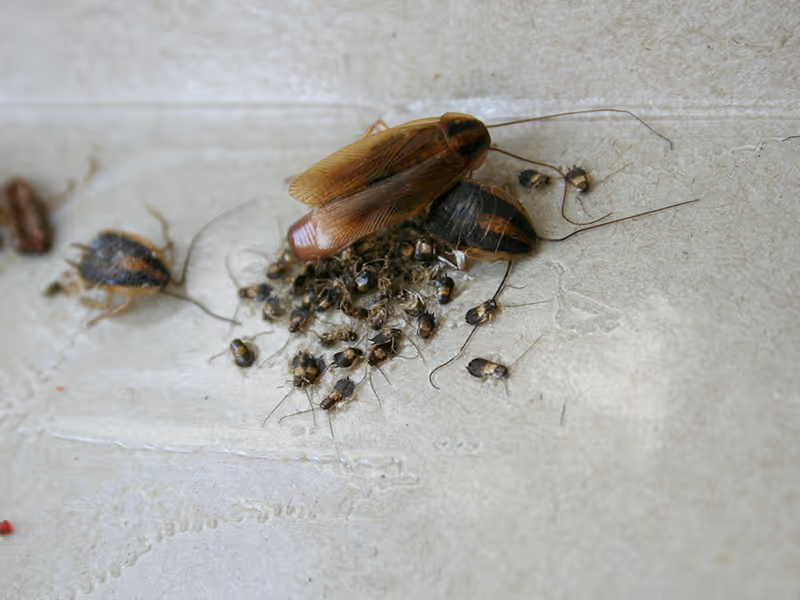
After hatching, cockroaches enter the nymph stage. Nymphs look like smaller versions of adult roaches and grow by molting several times.
- American cockroach nymphs take months to mature and can go through numerous molts before reaching adulthood.
- German cockroach nymphs develop much faster, often becoming adults in just over a month under ideal conditions.
This stage is particularly important because nymphs tend to stay hidden and are less likely to be noticed, even as their numbers increase.
Adult Stage: Reproduction and Expansion
Once cockroaches reach adulthood, reproduction begins quickly.
- Adult American cockroaches can live for about a year and produce multiple egg cases during their lifespan.
- Adult German cockroaches have a shorter lifespan but reproduce aggressively, producing hundreds of offspring throughout their lifetime.
This is why infestations can seem to “appear overnight”—multiple generations may already be developing at once.
Ideal Conditions for Cockroach Development
Cockroaches thrive in environments that offer:
- Warmth
- Moisture
- Shelter
- Easy access to food
In homes, this often means kitchens, bathrooms, laundry rooms, crawl spaces, and areas near plumbing. Humidity and clutter make these spaces even more attractive, allowing roaches to develop more quickly and remain hidden for longer periods.
Why the Cockroach Life Cycle Matters for Control
The cockroach life cycle explains why many infestations persist despite repeated DIY treatments. Sprays and baits may kill visible adults, but egg cases and hidden nymphs are often untouched. As a result, new roaches continue to emerge weeks later, restarting the problem.
Effective cockroach control requires targeting all stages of development, not just the cockroaches you can see.
Signs You May Have a Cockroach Problem
Cockroaches are experts at staying out of sight, so subtle clues rather than obvious sightings discover many infestations. Homeowners often notice early warning signs such as small droppings in cabinets, unusual odors in enclosed spaces, or unexpected activity after dark.
Because these signs can be easy to overlook—or mistaken for something else—it helps to know exactly what to look for and where roaches tend to hide. We’ve broken down the most common indicators, along with tips on how to check your home safely, in our blog post on cockroach infestation warning signs.
Read more: Signs You May Have Cockroaches in Your Home
What Homeowners Can Do to Reduce Risk
Good sanitation and moisture control play an essential role in prevention. Homeowners can help reduce attraction by:
- Storing food in sealed containers
- Cleaning up crumbs and spills promptly
- Taking trash out regularly
- Fixing plumbing leaks
- Reducing humidity with ventilation or dehumidifiers
- Sealing cracks and gaps around the home
These steps help make your home less inviting—but they won’t eliminate an active infestation or hidden egg cases.
Why Professional Cockroach Control Makes the Difference
Because cockroaches are highly resilient and reproduce rapidly, professional pest treatment is often the most effective way to eliminate the problem completely. A trained technician can:
- Identify the species involved
- Locate nesting and hiding areas
- Use targeted treatments that disrupt the life cycle
- Address egg cases and developing nymphs
- Help prevent future infestations
At Bizzy Bee Exterminators, our approach focuses on long-term control, not just short-term relief.
Protect Your Home from Cockroaches
Cockroaches don’t just invade homes; they multiply in them. Understanding their life cycle reveals why infestations grow rapidly and why early, professional intervention is crucial. If you’re seeing signs of cockroaches or want to prevent them from becoming a problem, Bizzy Bee Exterminators is here to help. Serving Acworth, Oxford, and the Atlanta area as well as parts of South Carolina since 1972, you can count on our locally owned and family-operated pest control company to protect your home and family.
Contact us today to stop cockroaches at every stage of their life cycle.