
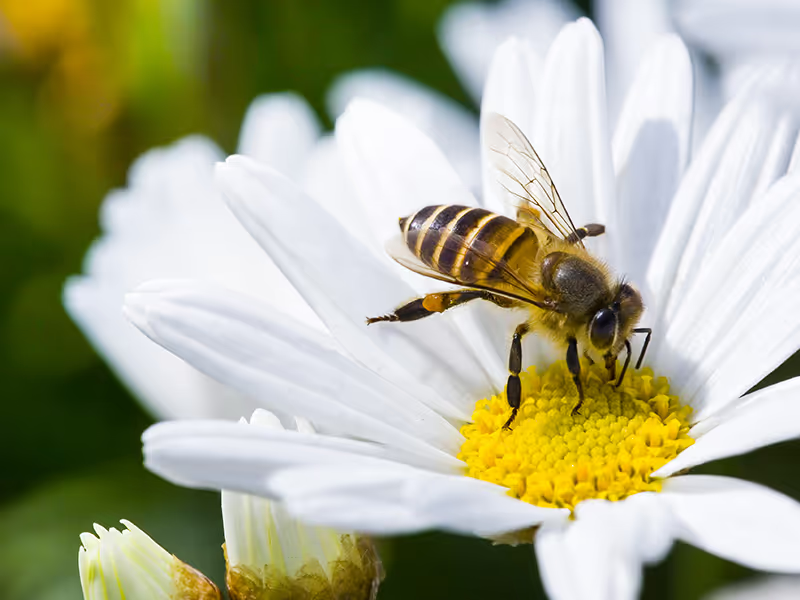
When Are Bees Most Active?
Bees are highly active insects, but their activity levels vary throughout the day. Generally, they are most active during the warmest hours:
- Morning: In many areas, bees begin foraging as early as 8 a.m., once the sun starts to warm the environment. Cooler temperatures in the early morning may slow their activity at first.
- Midday: Peak activity typically occurs between 10 a.m. and 3 p.m. Warm sunlight and ideal weather conditions encourage bees to leave their hives to search for nectar and pollen.
- Late Afternoon: As temperatures begin to drop later in the day, bee activity gradually decreases, and they return to their hives.
By knowing these patterns, you can better plan your time outdoors and avoid unwanted bee encounters.
Why Do Bees Follow This Activity Pattern?
Bees are ectothermic, meaning their body temperature is regulated by the environment. The warmer it is, the more energy they have for flying, foraging, and communicating. During cooler times, bees conserve energy by staying inside the hive.
This natural rhythm is vital—not just for bees but for us. Their ability to pollinate plants is essential for maintaining ecosystems and supporting the global food supply.
Essential Bee Facts to Know
The more we know about bees, the easier it becomes to avoid harming them—and to protect them.
Bees Are Pollination Powerhouses
Bees are responsible for pollinating over 70% of the world’s flowering plants. They play a critical role in both food production and the health of ecosystems.
Bees Have Complex Communication
Bees perform a “waggle dance” to communicate the location of food sources to others in the hive. This dance involves patterned movements that signal distance and direction.
Bees Maintain Organized Colonies
A single bee colony can contain tens of thousands of bees, divided into roles like queen, worker bees, and drones—all working together in harmony.
Bees Have Variable Lifespans
Worker bees usually live for several weeks during the active season, while a queen bee can live for several years.
Bees Are Environmental Indicators
Because they are sensitive to environmental changes, bees serve as indicators of ecosystem health. A thriving bee population usually signals a healthy local environment.
Other Frequently Asked Questions About Bees
How Do Bees Contribute to the Environment?
Bees' most significant contribution is pollination. They help crops and wildflowers reproduce, supporting the food chain and maintaining balance within ecosystems.
What Are the Main Threats to Bees?
Several factors threaten bee populations, including:
- Habitat loss
- Pesticide exposure
- Disease
- Climate change
How Can I Help Support Local Bee Populations?
You can support bees by:
- Planting bee-friendly flowers and shrubs
- Avoiding pesticide use in your garden
- Preserving natural or semi-wild spaces
- Supporting local beekeepers by buying local honey and bee products
Can Bees Nest in My Home?
While rare, bees can build nests in parts of your home if they gain access. Common nesting sites include:
- Wall cavities
- Attic
- Crawl spaces
- Chimneys
- Beneath floorboards
- Garages or sheds
What Are Signs of a Bee Infestation?
Signs may include:
- Constant buzzing or droning sounds
- Increased bee activity around the yard
- Bees appearing inside your home
- Honey stains on ceilings or walls (with honeybee infestations)
What Should I Do if I Find a Bee Colony in or Near My Home?
If you discover a beehive or colony, contact a trusted pest control company. They can partner with a local beekeeper to safely remove the colony rather than exterminating it. This approach keeps the colony alive while resolving the infestation.
Need Help with a Bee Infestation?
Are you dealing with a bee infestation—or another pest problem—in your home?
Contact Bizzy Bee Exterminators for quick, safe, and effective pest control.
We offer the pest control solutions you need to keep bees away responsibly and to keep other unwanted pests out of your home for good.
Call us today: 1-800-273-4958