

Lone Star Ticks: The Most Aggressive Biters in the Southeast
The lone star tick is the species homeowners in Georgia and South Carolina encounter most often. Adult females are easy to recognize by the single white dot on their back. Males are smaller and lack the dot, with mottled brown coloring instead.
What sets lone star ticks apart is how aggressively they seek out hosts. Most tick species wait on vegetation for an animal or person to brush past. Lone star ticks actually move toward hosts, following carbon dioxide and body heat across short distances. They are active from early spring through late fall, and in Georgia and South Carolina's mild climate, activity can extend well beyond what homeowners expect.
Lone star ticks are found in wooded areas, along trails, and in yards that border tree lines. Properties near deer habitat see especially high numbers. These ticks feed on a wide range of hosts, from deer and dogs to humans, and all three life stages — larva, nymph, and adult — will bite people.
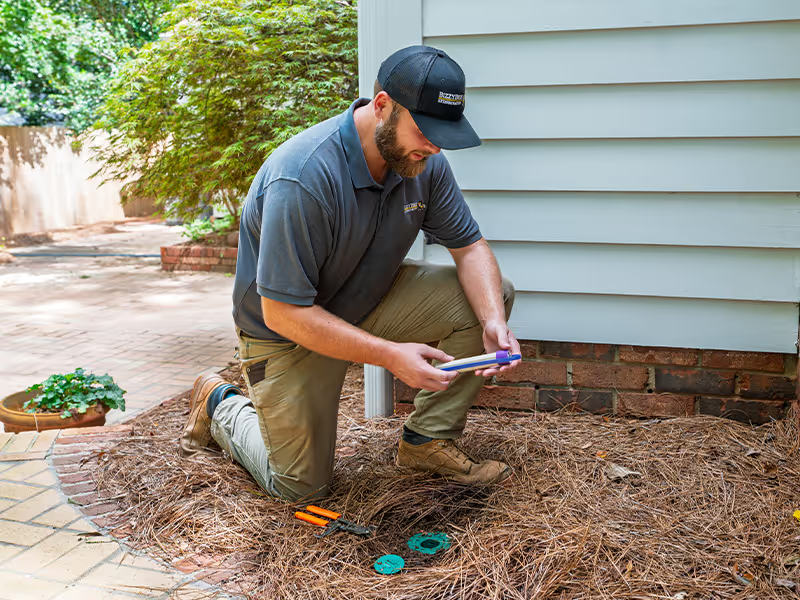
At Bizzy Bee Exterminators, lone star ticks are the species our technicians encounter most often on residential properties throughout Metro Atlanta and Upstate South Carolina. We frequently find them along wooded property edges, near deer travel routes, and in heavily landscaped yards where shade and moisture create favorable conditions. Homeowners are often surprised to learn how easily these ticks can move from nearby wildlife habitats into areas where children and pets spend time outdoors.
One of the most significant health concerns linked to lone star ticks is alpha-gal syndrome, a condition that causes allergic reactions to red meat and other mammal-derived products. Lone star tick bites can also transmit ehrlichiosis and Southern Tick-Associated Rash Illness (STARI), both of which cause flu-like symptoms that are easy to dismiss early on.
If you're finding ticks in your yard or on your pets regularly, contact Bizzy Bee Exterminators to discuss tick control options for your property.
American Dog Ticks: Common in Fields and Tall Grass
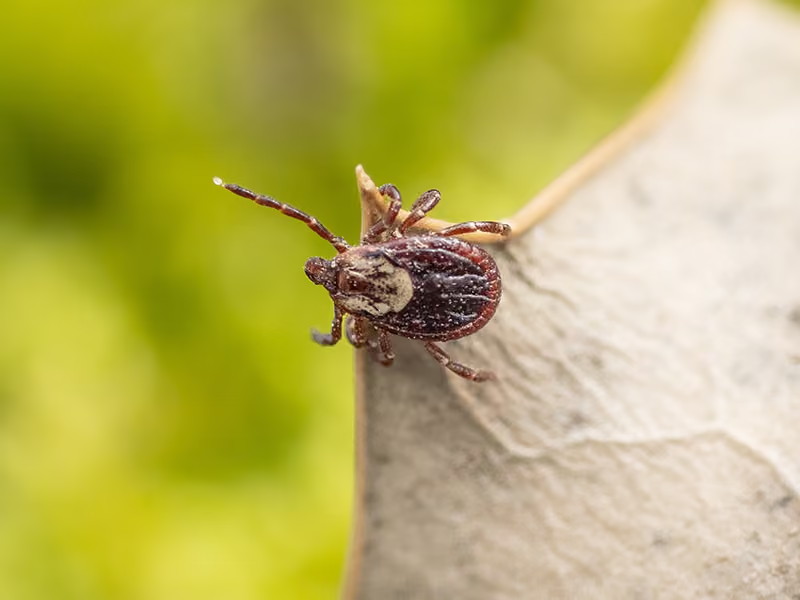
The American dog tick is one of the larger tick species in the region. Adults have a flat, oval body with distinctive white or gray markings on the back. Despite the name, American dog ticks feed on people just as readily as they feed on dogs.
These ticks prefer open, grassy areas over dense woods. Meadows, roadsides, and unmaintained edges of yards are where they tend to concentrate. In Georgia and South Carolina, residential properties that back up to open fields or have overgrown areas along fence lines are more likely to harbor American dog ticks.
The primary health risk associated with American dog ticks is Rocky Mountain spotted fever (RMSF), a bacterial infection that can become serious without prompt treatment. Symptoms include fever, headache, and a characteristic spotted rash. American dog ticks can also transmit tularemia, though cases in the Southeast are less common.
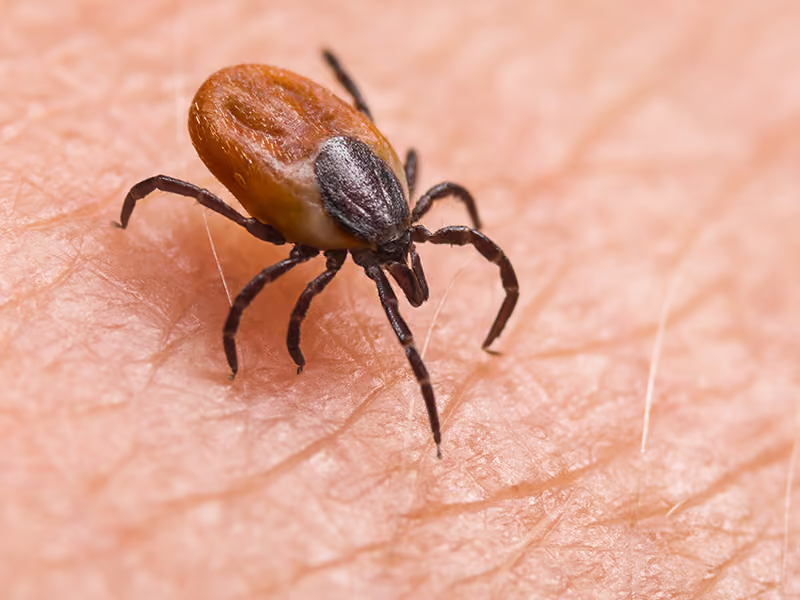
Blacklegged Ticks (Deer Ticks): The Primary Carrier of Lyme Disease
Blacklegged ticks, commonly called deer ticks, are present throughout both states. They are smaller than American dog ticks and lone star ticks, which makes them easy to miss. Adults are about the size of a sesame seed, and nymphs — the life stage most likely to transmit disease — are roughly the size of a poppy seed.
Blacklegged ticks prefer shaded, humid environments. Leaf litter, ground cover, and the edges where maintained lawns meet wooded areas are their primary habitat. Properties in areas like North Georgia's foothills and Upstate South Carolina's wooded corridors provide exactly the conditions these ticks need.
The blacklegged tick is the primary carrier of Lyme disease in the eastern United States. While Georgia and South Carolina have historically reported fewer Lyme cases than the Northeast, the blacklegged tick's range continues to expand, and cases are increasing across the Southeast. Blacklegged ticks also carry anaplasmosis and babesiosis.
Because nymphs are so small and their bites are painless, many people are bitten without realizing it. This is one reason regular pest control that includes tick treatment matters for properties near wooded or shaded areas.
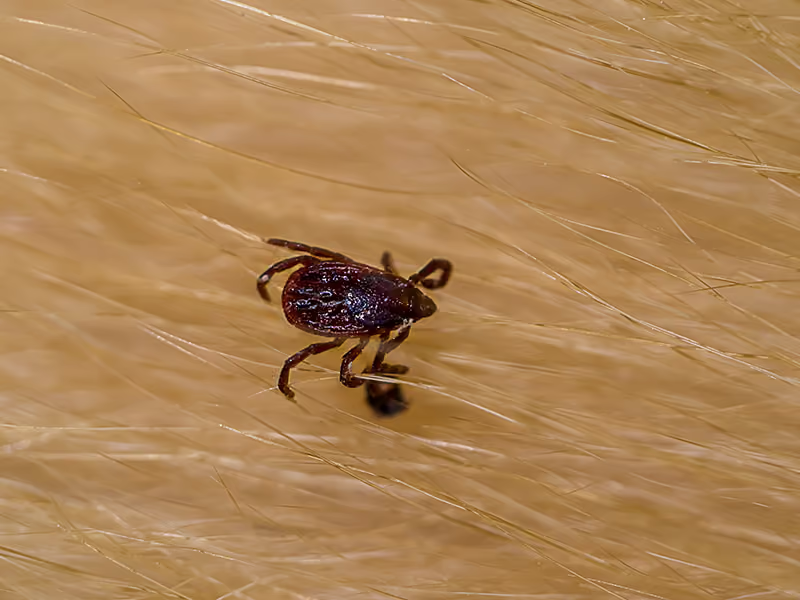
Brown Dog Ticks: The Only Species That Thrives Indoors
Most ticks need outdoor environments to survive and reproduce. The brown dog tick is the exception. It can complete its entire life cycle inside a home, which makes it a unique concern for pet owners.
Brown dog ticks are reddish-brown and slightly smaller than American dog ticks. They are most commonly found on dogs and in the areas where dogs rest — kennels, dog beds, baseboards, and cracks in flooring. Unlike other tick species, brown dog ticks rarely bite humans, but heavy infestations inside a home can lead to occasional human bites.
Dogs are the primary host, and brown dog ticks can transmit canine ehrlichiosis and canine babesiosis, both of which are serious conditions for pets. Because these ticks reproduce indoors, infestations can grow quickly once they establish inside a home.
If your dog keeps picking up ticks despite flea and tick medication, or you're finding ticks inside your home, a professional inspection can help identify whether brown dog ticks have established indoors.
What Health Risks Do Ticks Pose to Families and Pets?
Ticks are more than a nuisance. They are among the most significant carriers of disease-causing pathogens in the Southeast. The illnesses they transmit affect both people and animals, and symptoms often mimic common illnesses like the flu, which can delay diagnosis.
Tick-borne diseases reported in Georgia and South Carolina include:
- Lyme disease
- Rocky Mountain spotted fever
- Ehrlichiosis
- Alpha-gal syndrome, or red meat allergy
- Southern Tick-Associated Rash Illness
- Anaplasmosis
- Tularemia
Many of these diseases share early symptoms: fever, fatigue, headache, and muscle aches. Without treatment, some conditions can lead to serious complications. Early removal of attached ticks reduces transmission risk, but the most effective approach is reducing tick populations around your property in the first place.
Where Do Ticks Hide Around Georgia and South Carolina Properties?
Ticks don't live in open, sunny lawns. They need moisture and shade to survive, which means certain areas of residential properties are far more likely to harbor them than others.
Common tick habitats around homes in Georgia and South Carolina include:
- Leaf litter and ground cover along fence lines and property edges
- Tall grass and unmaintained vegetation at the border between yards and wooded areas
- Mulch beds, especially thick layers near the foundation or around landscaping
- Brush piles, stacked firewood, and debris near the home
- Shaded, humid areas under trees and dense shrubs
- Wildlife pathways — wherever deer, raccoons, or opossums travel through your yard
Throughout Bizzy Bee Exterminators' service area, from suburban neighborhoods in Fulton, Gwinnett, Cobb, and DeKalb counties to the more wooded properties found throughout Hall, Barrow, Cherokee, Anderson, Oconee, Pickens, and Greenville counties, tick activity often increases where yards border tree lines, natural areas, or wildlife corridors.
Ticks don't travel far on their own. They rely on hosts — mostly deer, rodents, and other wildlife — to carry them into residential areas. Once in your yard, they position themselves on the tips of grass blades and low vegetation, waiting for a person or pet to brush past. This behavior is called questing, and it's how most tick encounters start.
How Professional Tick Control Reduces Tick Activity
Ticks spend most of their time in shaded, protected outdoor areas rather than out in the open lawn. Leaf litter, mulch beds, ground cover, and wooded property edges provide the moisture and shelter that ticks need to survive and wait for passing hosts.
For homeowners looking for ongoing protection, seasonal tick treatments can be added to a Bizzy Bee home pest control plan. These monthly yard treatments run from April through September and target the shaded, humid outdoor areas where ticks are most likely to live and quest for hosts.
By focusing on areas with the highest tick activity, these treatments help reduce tick encounters around places where families and pets spend time outdoors.
Frequently Asked Questions About Ticks
How quickly do ticks transmit diseases after attaching?
Transmission time varies by disease. Some pathogens, such as ehrlichiosis, can begin transmitting within hours of attachment. Lyme disease transmission from blacklegged ticks typically requires 36 to 48 hours of feeding. This is why checking for ticks after spending time outdoors is important, but it's not a substitute for reducing tick populations on your property.
Do ticks jump or fly onto people?
No. Ticks cannot jump, fly, or drop from trees. They crawl onto hosts from ground-level vegetation — usually grass or low shrubs. This is why most tick bites occur on the lower legs and work upward as the tick searches for a place to attach.
Do ticks prefer people or pets?
Most tick species are not picky about their hosts. They will feed on people, dogs, cats, wildlife, and other animals when given the opportunity. However, pets that spend time outdoors often encounter ticks more frequently because they move through grass, landscaping, and wooded areas where ticks are commonly found.
Will my pet's flea and tick medication eliminate ticks from my property?
Pet medications protect individual animals from tick-borne diseases, but they don't reduce the tick population in your yard. Treated pets may still carry live ticks into the home before the medication takes effect. Professional yard treatment and pet medication work together to provide more complete protection.
Are ticks more active after rain?
Rain doesn't increase tick activity by itself, but it creates the moist conditions ticks need to survive. In Georgia and South Carolina, tick activity often increases during warm, wet periods when humidity stays high.
Protect Your Family and Pets from Ticks
Ticks are a real concern for homeowners across Georgia and South Carolina, and reducing their numbers around your property is the most effective way to lower your family's risk. Bizzy Bee Exterminators provides professional tick control for residential properties throughout Metro Atlanta and Upstate South Carolina. Reach out to schedule an evaluation of your property and find out how we can help.