Spiders and Webs Can Affect How Customers See Your Business
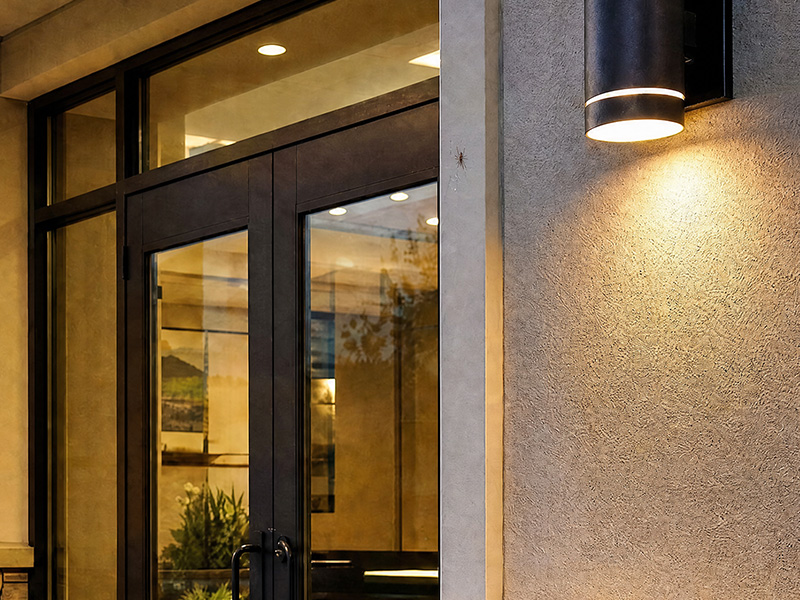
A web across an exterior light fixture or beside the front entrance can make an otherwise well-maintained property look overlooked.
That matters most in customer-facing businesses. Restaurants, retail stores, hotels, healthcare facilities, offices, and other commercial properties depend heavily on appearance. Customers do not necessarily know whether a spider is harmless or whether a web appeared overnight. They simply see a pest where they did not expect one.
The same applies to employees, tenants, vendors, and visitors.
A few isolated spiders do not mean a facility is dirty, but repeated webs and visible spider activity can create that impression. For businesses where cleanliness and professionalism are part of the customer experience, that perception matters.
Spider Activity Can Point to Other Pest Pressure
Spiders do not feed on crumbs, stored products, or trash. They feed on insects and other small arthropods.
That makes repeated spider activity worth looking at more closely.
Exterior lighting, landscaping, waste areas, moisture, and frequently opened doors can all contribute to insect activity around a commercial property. Loading docks and other busy access points can also provide flying and crawling pests with opportunities to enter.
Where there is a steady supply of prey, spiders have more opportunities to feed.
This does not mean seeing a spider automatically proves your business has an insect infestation. But when webs keep returning, or spiders repeatedly appear in the same areas, it can be a reason to look at the broader pest activity around the property.
Not Every Spider Problem Comes With Webs
Businesses should not rely on webs alone when deciding whether spider activity is present.
Some spiders build webs to capture prey. Others actively hunt.
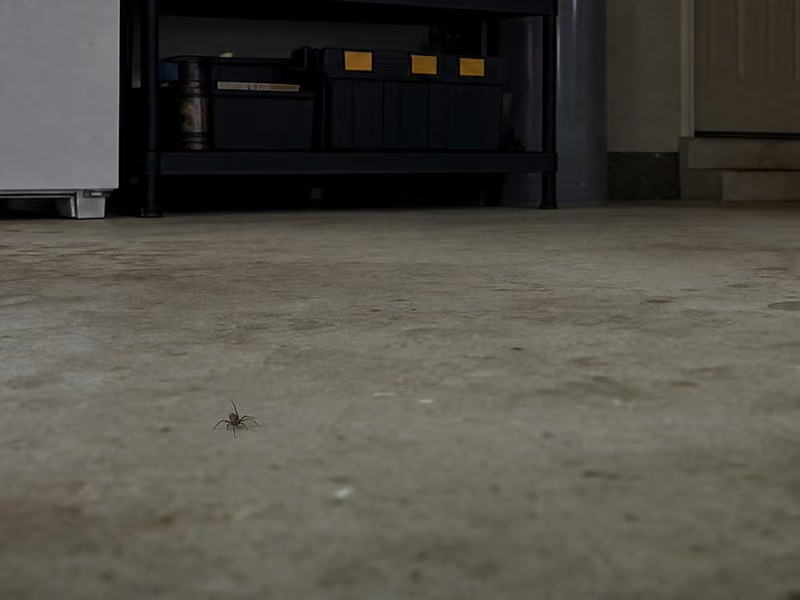
Wolf spiders, for example, move around in search of insects rather than relying on a capture web. A facility manager might notice one crossing a warehouse floor after dark, near a loading dock, along a wall, or inside a storage area.
That distinction matters because a commercial property can have noticeable spider activity even when employees are not constantly finding webs.
Spiders Can Create Safety Concerns
Most spiders found around commercial properties are not medically significant, but some species deserve more caution.
Black widows occur in Georgia and South Carolina and tend to favor protected, relatively undisturbed areas. Around commercial properties, that can include spaces near stored materials, utility areas, sheds, equipment, or other sheltered locations.
The concern is not that every spider sighting creates a serious health risk. Employees should simply avoid handling unfamiliar spiders, particularly in areas where medically significant species could occur.
Businesses with storage, maintenance, warehouse, or outdoor work areas should pay closer attention to repeated spider activity and have unfamiliar spiders handled appropriately.
Certain Parts of a Commercial Property Can Be Especially Attractive to Spiders
Spider activity is often concentrated in predictable areas.
Exterior lighting is a common example, as lights can attract flying insects after dark. Businesses may also notice spiders around loading docks, doorways, roof overhangs, windows, landscaping, utility areas, storage spaces, and other relatively quiet parts of a property.
The type of facility matters, too.
A warehouse may have dock doors opening throughout the day. A restaurant has deliveries, waste areas, exterior lighting, and food-handling spaces. An office building may have landscaped entrances and exterior lights that remain on after employees leave.
Those differences are one reason commercial spider control should consider the property as a whole rather than focusing only on the individual spiders someone happens to see.
Why Removing Webs Alone May Not Solve the Problem
Removing visible webs can immediately improve the appearance of a facility, but it does not necessarily address why spiders chose that location.
If insects continue gathering around an exterior light, for example, web-building spiders may return because prey is still readily available there.
The same principle applies indoors. If hunting spiders repeatedly appear near loading areas or storage spaces, it is worth considering whether insects, access points, or sheltered areas are contributing to the activity.
For businesses, that broader view is important because pest pressure can vary considerably from one part of a property to another.
When Should a Business Call for Commercial Pest Control?
An occasional outdoor spider is normal, particularly in Georgia and Upstate South Carolina where insects and spiders remain active through much of the warmer part of the year.
Professional pest control is worth considering when webs repeatedly return around entrances or customer-facing areas, employees regularly report spiders indoors, activity is concentrated around loading docks or storage spaces, or other insects are showing up at the same time.
Businesses may also want to act sooner when spider sightings are affecting customers, employees, tenants, sanitation standards, or the property's overall appearance.
How Bizzy Bee Helps Businesses Manage Spider Activity
Effective spider control starts with understanding what is happening across the property, not just removing the spiders or webs you can see.
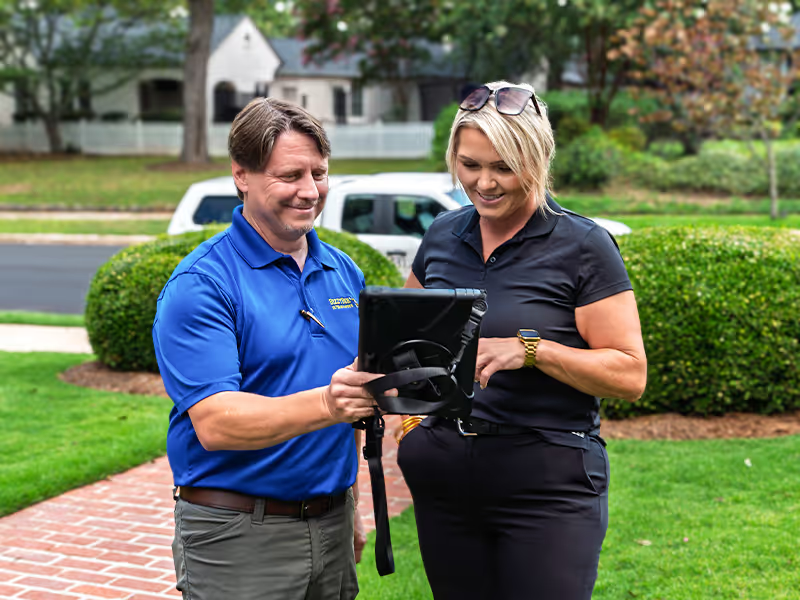
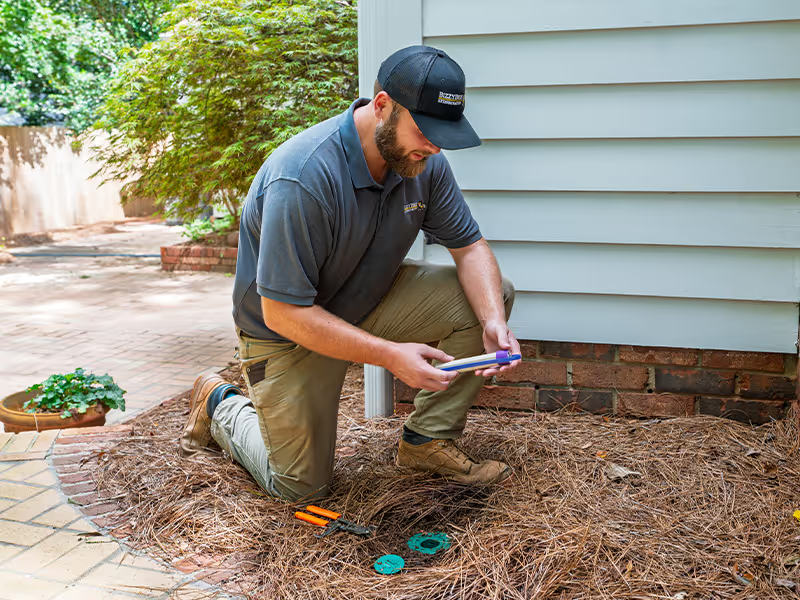
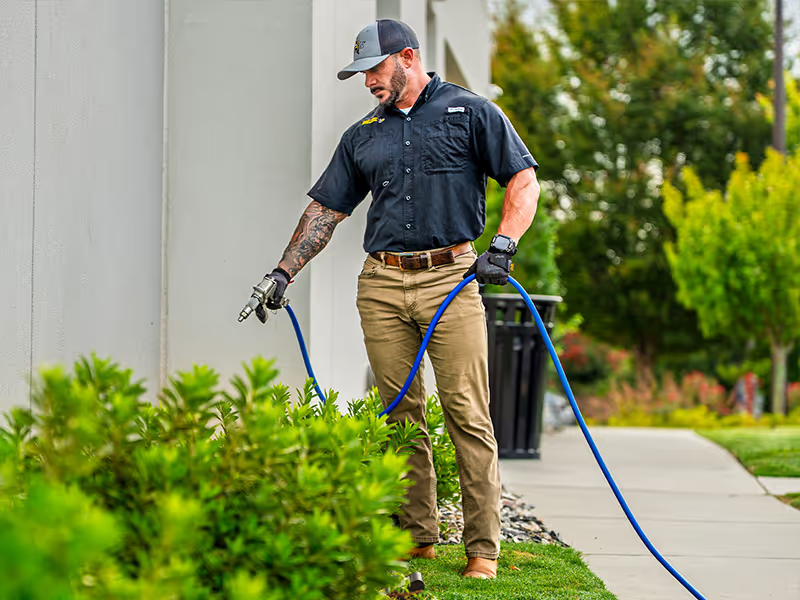
Bizzy Bee provides commercial pest control tailored to each facility's needs. The team can evaluate pest activity and areas of concern, then develop an ongoing program based on the property, pest pressure, and operational requirements.
That is especially useful when spiders are appearing around customer entrances, loading areas, exterior lighting, storage areas, or other parts of a facility where insects are also active.
Bizzy Bee works with restaurants, warehouses, manufacturers, healthcare properties, hotels, offices, retail facilities, and other commercial industries throughout Georgia and parts of South Carolina.
Contact Bizzy Bee Exterminators to request a free quote for your commercial property.