
Eastern Equine Encephalitis
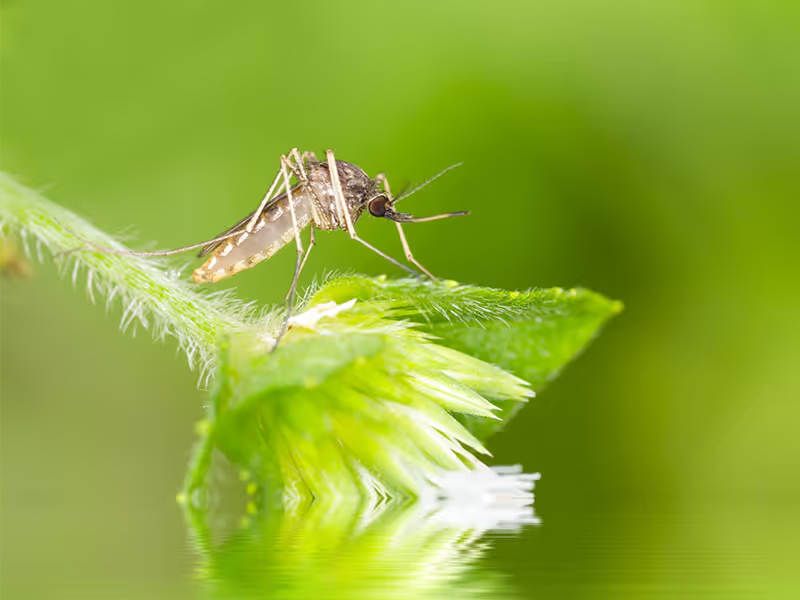
Mosquitoes transmit the Eastern Equine Encephalitis (EEE) virus to both people and horses in the U.S., though infection is extremely rare—on average, only 11 Americans are infected each year.
Infected mosquito populations are mostly found in the swamplands of the Gulf Coast, where humans are less likely to live or visit. The majority of reported cases occur in areas on or near the Gulf Coast, including southwest Georgia.
Mild Symptoms
Some people infected with EEE may only experience flu-like symptoms for about a week, such as:
- Fever
- Headache
- Joint pain
- Muscle weakness
Severe Symptoms
Others may develop more serious infections that affect the brain, spinal cord, or both. These can result in long-term neurological conditions, including meningitis.
Signs of severe EEE include:
- Cognitive or behavioral changes
- Coma
- Excessive fatigue
- High fever
- Nausea and vomiting
- Seizures
- Severe headaches
Severe cases of EEE have a 33% fatality rate, and survivors may experience lasting damage to the brain and body.
Who Is Most at Risk for Severe EEE?
Children under 16 and adults over 50 are most likely to experience severe EEE, though it can occur in individuals between those ages as well.
Treatment
There is currently no vaccine or specific medical treatment for EEE. Patients with mild cases should rest and stay hydrated. Those with severe infections may require hospitalization for hydration, pain management, and continuous care.
La Crosse Encephalitis
La Crosse Encephalitis is a rare disease in the U.S., with up to 90 cases reported nationwide each year. Though reporting is low, most cases occur in the eastern U.S., particularly in southeastern states like:
- Georgia
- Kentucky
- North Carolina
- Tennessee
- Virginia
Mild Symptoms
Many people infected with La Crosse Encephalitis remain asymptomatic or experience only mild, flu-like symptoms lasting a few days.
Common mild symptoms include:
- Fatigue or lethargy
- Fever
- Headache
- Nausea and vomiting
Severe Symptoms
While most infections are mild, some patients may develop severe brain infections that can result in acute or chronic neurological issues.
Severe symptoms include:
- High fever
- Neck stiffness
- Disorientation or confusion
- Tremors
- Seizures
- Muscle weakness
- Vision problems
- Paralysis
Although most patients with severe cases recover, some may experience lingering neurological complications, including recurring seizures or changes in behavior and cognition.
Death is extremely rare, occurring in fewer than 1% of cases.
Who Is Most at Risk for Severe La Crosse Encephalitis?
Children under the age of 16 are most at risk for severe complications, including brain inflammation. While adults can also be affected, severe infection is less common in this group.
Treatment
There is no vaccine or specific treatment for La Crosse Encephalitis. Mild cases typically require rest and hydration. Severe cases may necessitate hospitalization for breathing assistance, hydration, or to reduce brain swelling.
West Nile Virus
West Nile Virus is the most common mosquito-borne disease in the U.S., with an average of 2,357 cases reported annually between 1999 and 2022. It has been reported in all 48 contiguous states, including many cases in Georgia.
Mild Symptoms
Eighty percent of infected individuals show no symptoms. About 20% develop mild, flu-like symptoms, including:
- Body aches
- Fever
- Headache
- Joint pain
- Nausea, vomiting, or diarrhea
- Skin rashes
Severe Symptoms
Fewer than 1% of infected individuals develop severe illness, which can include brain inflammation (encephalitis) or inflammation of the spinal cord membranes (meningitis).
Severe symptoms include:
- High fever
- Headache
- Neck stiffness
- Disorientation or confusion
- Coma
- Tremors
- Convulsions
- Vision problems
- Paralysis
Recovery from severe West Nile Virus can take weeks or months. In some cases, permanent neurological or physical impairment may result.
Although rare, death occurs in about 10% of severe cases involving damage to the central nervous system.
Who Is Most at Risk for Severe West Nile?
Anyone can contract severe West Nile Virus, but individuals over 60 are at higher risk. Others at elevated risk include those with weakened immune systems, organ transplant recipients, and individuals with chronic medical conditions such as:
- Cancer
- Diabetes
- Hypertension
- Kidney disease
Treatment
There is no vaccine or specific antiviral treatment for West Nile Virus. Mild cases are typically managed with rest and fluids. Severe cases may require hospitalization for supportive care, including hydration and pain management.
Protect Your Family from Mosquito-Borne Diseases
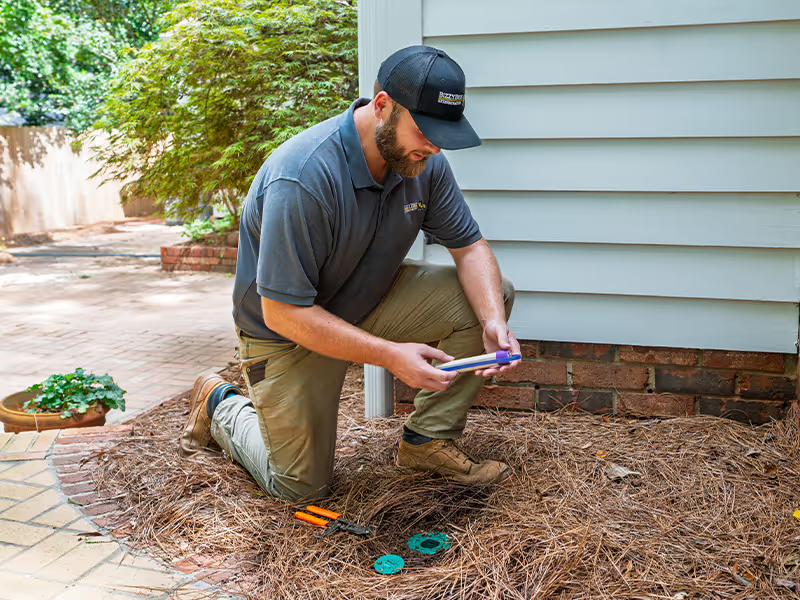
Mosquito-borne diseases can affect anyone—including you and your loved ones. Protect your home and family with reliable mosquito control services from Bizzy Bee Exterminators.
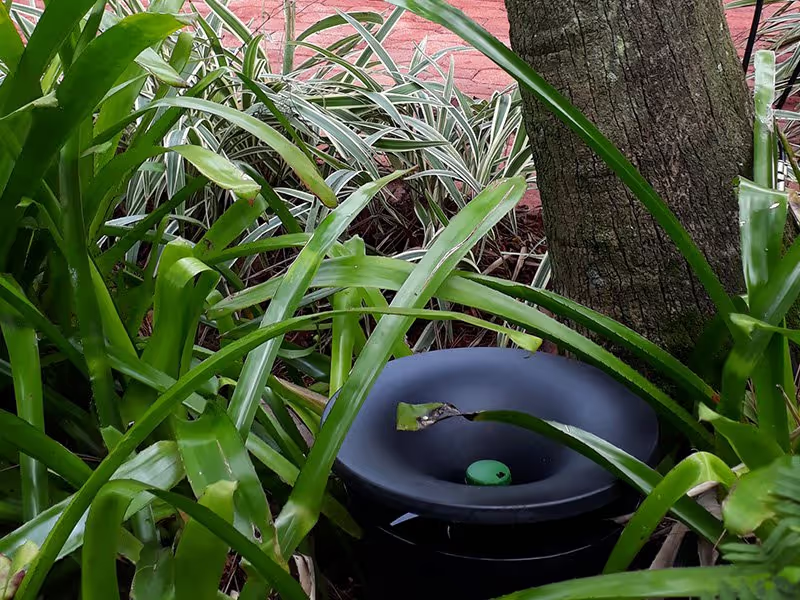
Your family’s health matters. Let our expert team help you avoid the threat of mosquito-borne illnesses all season long. We apply effective treatments to eradicate mosquitoes from your yard, giving you peace of mind—and a space you can enjoy.
Call today to schedule mosquito control for your home: 1-800-273-4958