Fire Ants
Before spring arrives, fire ants go dormant during winter in several ways:
- Burrow deep into the ground
- Hide under large rocks or tree roots
- Take shelter in the crevices of tree bark
- Seek refuge inside homes or buildings
They also enter a state called diapause, during which their metabolism slows down, allowing them to survive without food or water. In colder climates, some ant species can even convert body fluids into glycerol—a chemical that prevents freezing.
As temperatures rise in spring, fire ants (and other species) become active again. Warmer weather triggers worker ants to start foraging for food and queen ants to begin laying eggs. In fact, spring is the peak mating season for ants. The seasonal rain and warm conditions provide ideal circumstances for ants to establish new colonies and gather the resources necessary for growth. This increase in activity is often noticeable both inside and outside the home.
When fire ants establish colonies in your yard, it can spell trouble for children, pets, and even adults. These insects are named for the intense burning sensation caused by their stings—and they can sting multiple times. A single sting is painful enough, but disturbing a colony can result in numerous stings and prolonged discomfort.
How to Protect Against Fire Ants in the Spring
Here are several ways to help protect your home and yard from fire ants in the spring:
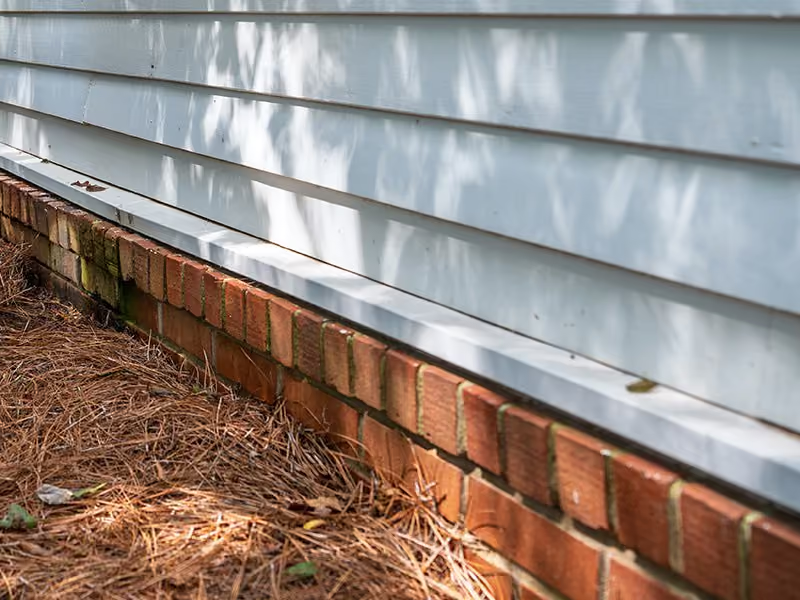
- Seal cracks, gaps, and entry points around the house
- Install door sweeps on all exterior doors
- Keep the kitchen clean
- Store pantry food in sealed containers
- Discard any decaying fruits or vegetables left on counters
- Avoid leaving dirty dishes in the sink or food scraps in the drain
- Clean up crumbs and vacuum beneath the dining area
- Take out the trash regularly
- Fix any leaking faucets in kitchens or bathrooms
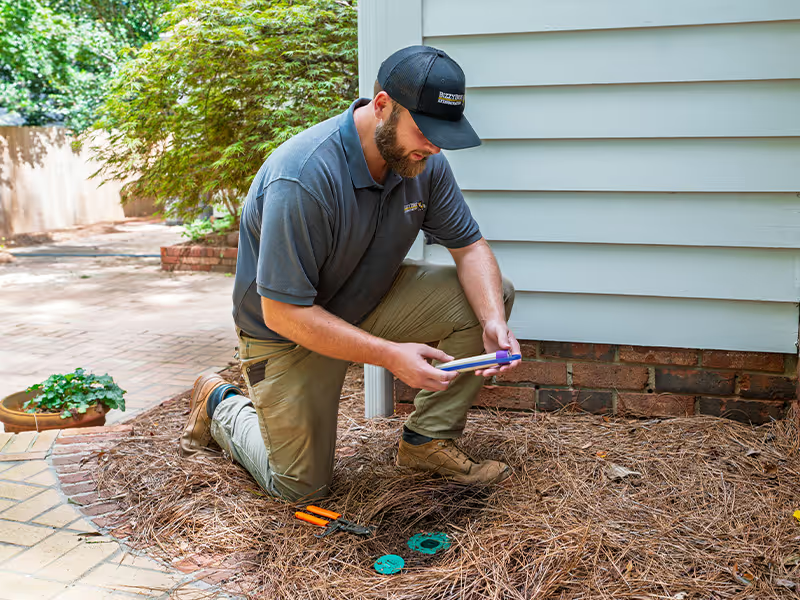
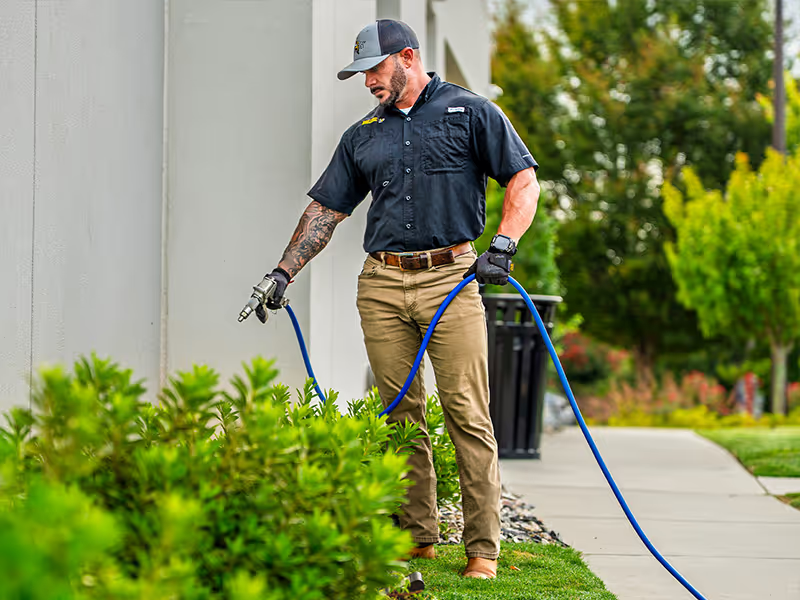
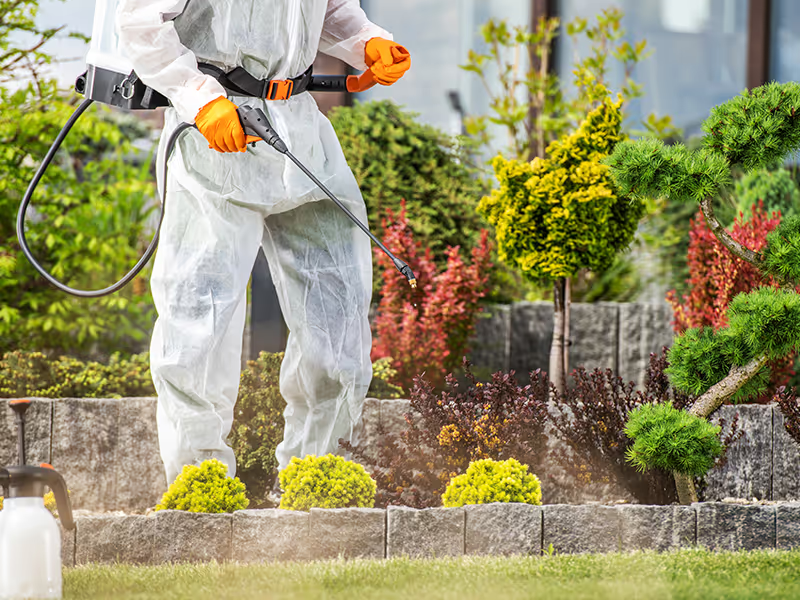
- Have your home and yard professionally treated for ant control
Mosquitoes
While mosquitoes are most commonly associated with summer, their season actually begins in the spring as temperatures begin to rise.
Like ants, mosquitoes enter diapause or hibernation during winter, ceasing all activity. When the weather warms, they become active again—repopulating, nesting, and foraging.
Mosquitoes typically become fully active once temperatures consistently reach 50°F or higher. Spring’s frequent rain showers also create the damp, wet conditions they thrive in. They are especially attracted to areas with standing or stagnant water, such as:
- Puddles
- Ponds
- Neglected swimming pools
- Old birdbaths
Mosquito bites are their most notorious feature—and spring is when bite activity begins to ramp up. Female mosquitoes require blood to produce eggs, so they constantly seek hosts, whether animal or human. Most bites result in temporary itchiness, but some can transmit serious diseases, including:
- Malaria
- West Nile virus
- Zika virus
- Chikungunya virus
- Dengue
- Heartworm disease (in pets)
How to Protect Against Mosquitoes in the Spring
To keep mosquitoes away from your yard this spring:
- Eliminate standing water
- Replace water in birdbaths, kiddie pools, and plant saucers frequently
- Cover rainwater collection containers when not in use
- Clean out gutters
- Fill low spots in the yard to prevent puddling
- Install porch screens
- Use fans on patios or porches
- Apply insect repellent
- Have your yard professionally treated for mosquito control
Wasps
Like ants and mosquitoes, wasps hibernate during winter and reemerge when temperatures rise. Once active, they begin repopulating and building new colonies—often close to homes.
Wasps prefer nesting in sheltered, elevated areas protected from wind and rain, such as:
- Porch ceilings
- Awnings
- Outdoor staircases
- Mailboxes
- Sheds
- Garages
- Trees and bushes
They are also drawn to locations with easy food access, such as areas near open trash cans, fruit trees, or picnic spots.
Wasps are best known for their painful stings. While not all wasps have stingers, only females are capable of stinging. Male wasps lack stingers but can use their genitals to jab at threats. If a colony nests near where you and your family spend time, the chances of getting stung—or jabbed—increase significantly.
How to Protect Against Wasps in the Spring
Here’s how to keep wasps away from your yard:
- Check likely nesting areas such as porches, awnings, sheds, and playsets
- Seal any cracks or gaps that could allow entry into your home
- Trim overgrown trees and bushes
- Keep outdoor garbage cans covered
- Remove fallen fruit from around fruit trees
To effectively protect your home and yard from fire ants, mosquitoes, wasps, and other springtime pests, contact Bizzy Bee Exterminators.
We offer the comprehensive pest control services you need to keep both annoying and dangerous bugs away—for good.
Call us today: 1-800-273-4958